Do you have a particular time of year that you find more difficult than the rest of the year? Many of us do, for some, it is Christmas, for others it is mid January after the festivities have died down. For me, it is early November, for a number of reasons that combine to make this a time when I am likely to feel low, less motivated and generally less mentally well than most of the rest of the year.
A number of factors combine to make this time particularly challenging for me.
The clocks go back at the end of October, leaving the first week in November feeling darker in the evenings. A subtle change, but I find dark evenings difficult, lots of the things I enjoy and find make me feel better need outdoors and daylight, or are certainly better like this – horse riding, walking, running all work better with lighter nights, especially if work doesn’t allow time in the day. Whilst not the shortest nights, at this point, after the change and loss of an hour of evening daylight, I also know that “this is as good as it gets” in terms of evening light for four months. It is the time of year when I lost my mum, a long time ago, when I was on teaching practice, and I think these factors together make this a difficult time.
A couple of years ago, during November having what I now know were symptoms of burnout that had grown over a couple of years, my work as headteacher was feeling unmanageable I reached a point where I needed to stop and take a break. I was fortunate to receive some excellent support, from the wellbeing service our school used, my coach, some colleagues past and present and friends and family too.
I returned to school for the end of term, and for the Spring term, but I had made the decision to take a new direction, and left at Easter. Since then, as a coach, supporting school leaders has been an important part of my work. Knowing more about myself and signs to look out for that tell me to focus a little more on wellbeing are important too. This brings me on to the whole self check in.
Wellbeing check in
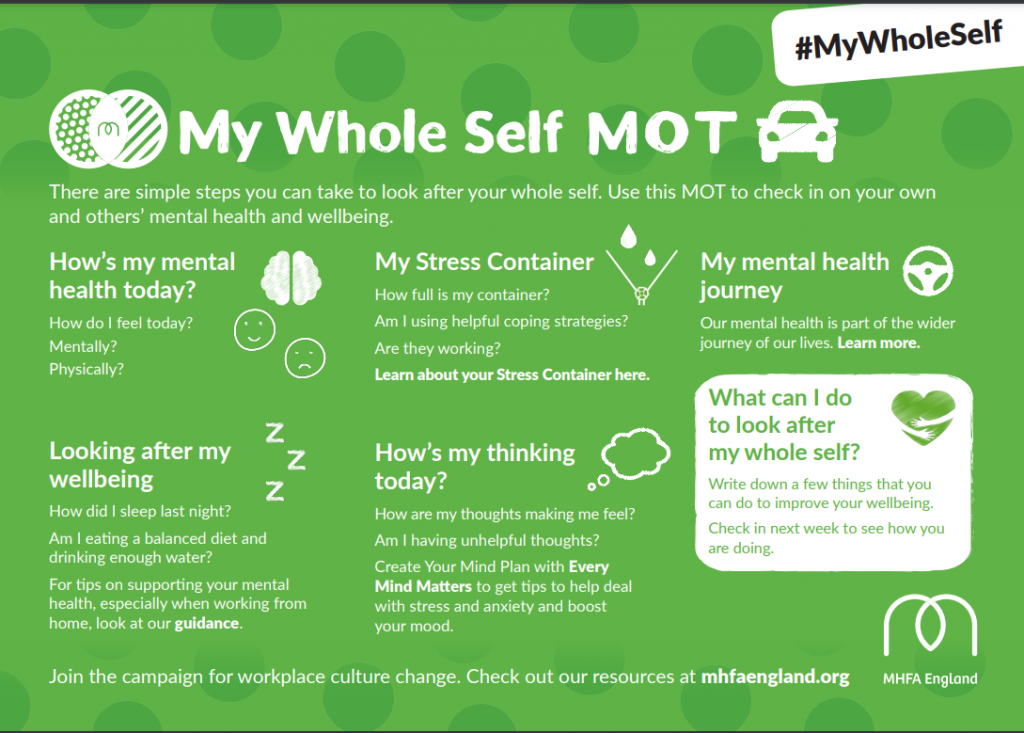
I saw these resources earlier this year and particularly like ideas here on this poster as I think they are really useful as a check in.
Stress Container
The stress container is something I have used a lot as a tool to help me think carefully about what I need to do in order to maintain or return to a place where I am able to manage my stress effectively. It is a key part of Mental Health First Aid training, and I find it really useful.

Start by thinking of the size of your container, our vulnerability to stress is determined by a number of factors including genes, our life experiences and environment.
The sources of stress flowing into the container will vary for each of us, but can include work related stress such as workload, multiple and conflicting demands, finances, conflict, bereavement or poor diet. There is space in the container for some of these, but when there is too much at once and the container overflows, we will feel and demonstrate the effects of stress. We may become ill, snap, feel overwhelmed and generally struggle to cope.
Coping Strategies – Turning the Tap On
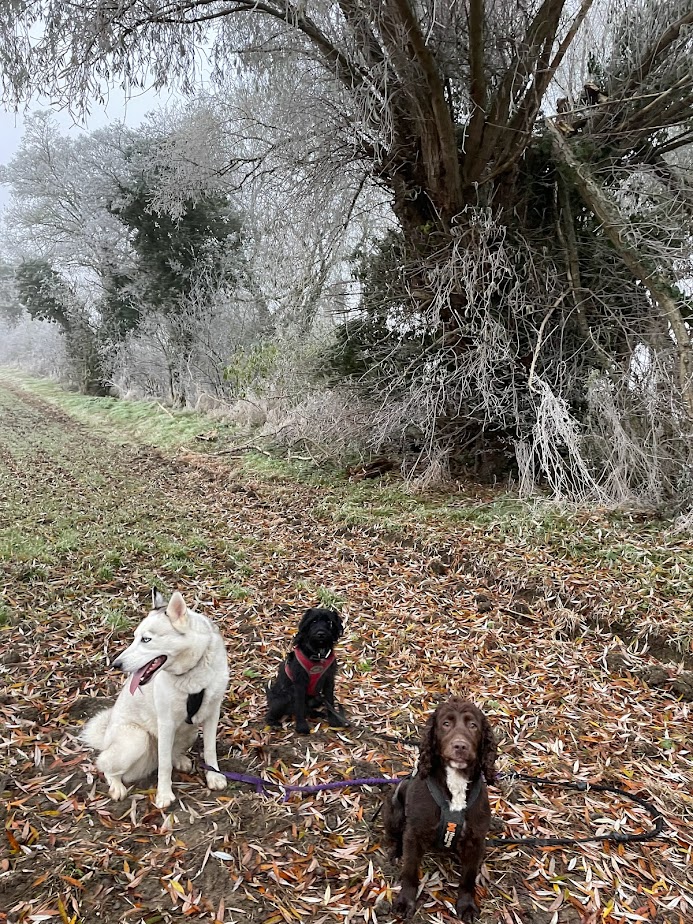
There are ways we can turn on the tap to let some of the stress out and reduce the overflow. For me, this is all about being outside with our animals, riding my horse or running with with the dogs. Physical exercise, rest – see my blog on the seven types of rest, meditation and generally taking time for yourself are all helpful coping strategies.
There are also unhelpful strategies, like drinking alcohol, overworking or excessive social media access. These may appear to help briefly, but quickly “block” the tap and create further overflow and as such are definitely best avoided.
The thing about the stress container for me is that it is visual, makes me think and rationalise and helps me to make deliberate choices about looking after myself. Making a note of this, setting myself some specific tasks to do that look after me and then checking back is important to keep me on track so that I don’t neglect the important task of looking after myself.
What can you do to prioritise your self care?
Leave a Reply