Welcome to MH Coaching and Consultancy

Category: Wellbeing

Rest and Recuperation: The Key to Effective Leadership

Research shows that leaders perform better when they take time to rest properly and don’t ruminate over work related matters after hours. This may seem obvious, but rest is so often neglected or undervalued and seen as a luxury rather than a necessity. The reality is that it is actually a benefit for the organisations that leaders serve if those leaders get quality rest and recuperation.

The Importance of Leader Recovery

The Harvard Business Review article Want to Be a Better Leader? Stop Thinking About Work After Hours, is based on research by the authors, Remy E. Jennings, Allison S. Gabriel, and Klodiana Lanaj titled “The importance of leader recovery for leader identity and behaviour” published in the Journal of Applied Psychology, in 2023. A 10-day diary study involving 73 leaders and a “matched follower” (employee they line managed, showed that when leaders “detached” from their work in the evenings, they felt more recharged the next day, which helped them to “identify” more strongly with their leader role. Conversely, on days when leaders ruminated about work in the evening, they felt more drained the next morning, hindering their ability to identify as a leader.

The idea of “identifying” emphasizes leadership as a way of “being” rather than “doing”, leadership is so much more than having a list of tasks to complete, it is about inspiring and engaging others. Characteristics of great leaders, such as authenticity, curiosity, analytical skills, adaptability, creativity, comfort with ambiguity, resilience and empathy require a leader to be feeling energised. These characteristics are less likely to show up if a leader is feeling exhausted. I believe that the same is true for teachers as the leaders in their classrooms.

The research also found that the “followers” considered the leaders to be more effective too after rest, rating them as more “powerful” and “transformational” than those who had ruminated the night before. Interestingly, the research showed that rest (or lack of it) affected newer leaders more than those who had been in leadership roles for longer. When we are new in roles, everything takes a little more effort until we have built those pathways and strong habits to support us.

This research highlights a clear link between rest and recuperation and the ability to lead. There is, however, another equally serious consideration, as the absence of rest also increases the likelihood of a leader suffering from “burnout.”

Beyond Being your Best – the Increased Risk of Burnout

‘Burnout’ is recognised by the World Health, defined as a “state of physical and emotional exhaustion brought on by prolonged or repeated stress”. Though it’s most often caused by problems at work, burnout can also be linked toother areas of life, such as parenting, caretaking, or relationships.

Common signs of burnout include:

  • Feeling tired or drained most of the time.
  • Feeling helpless, trapped and/or defeated.
  • Feeling detached/alone in the world.
  • Having a cynical/negative outlook.
  • Self-doubt.
  • Procrastinating and taking longer to get things done.
  • Feeling overwhelmed.

Burnout is not simply a result of working long hours, juggling too many tasks, and not taking time to rest, though those both play a role. Other causes can include not feeling in control of how a job is carried out, being required to complete tasks that conflicts with your values, working towards a goal that doesn’t resonate, or when lacking support.

If responsibilities don’t match a leader’s true purpose or if they have lost sight of this, and if they don’t take a break occasionally, they increase their risk of facing burnout, as well as the risk of developing many of the other mental and physical health problems that often come along with it, including headaches, fatigue, heartburn, and other gastrointestinal symptoms, as well as increased potential for alcohol, drug, or food misuse.

One of the common signs or stages of burnout is a tendency to over work. This can be linked to self-doubt and a perceived need to work more to be successful. Presenteeism and excessive working become greater in many people beginning to suffer from burnout.

Given the importance of rest, it seems paradoxical for it to be so common for teachers and leaders not to prioritise this important rest, to continue to work and/or think about work well after the official work day has ended. So what stops teachers and leaders from taking that much needed rest and recuperation?

Rest: What’s Getting in the Way?

The authors of the article state’ “The high demands of a leadership role lead some to perceive that the only way to perform well is to work around the clock. As a result, many may find themselves ruminating about an issue with an employee, trying to think of a solution to a client problem, or creating a mental to-do list long after they have left the office for the day or turned off their computer.”

Culture and Perception

Interesting that the article suggests part of this could be linked to a perception. As a coach, this makes me curious to find out more. How much of this is a belief or assumption that to perform well we need to work long hours and how much is the sheer quantity of work? Beliefs like this may seem like reality. These beliefs can go back to childhood, many of us will recall being praised for working hard as children and will also have been told that hard work was the route to success. We probably find ourselves sharing this praise and advice too and it is, of course true to an extent, but an over emphasis on this can cause us to believe that we need to work harder or longer than is necessary to be a success at whatever we do. Leaders may also feel that the higher pay they receive means they should work longer and harder than those they lead rather than the higher pay being a reflection of their responsibility, experience, and skills. It may be the norm in an organisation to work long and late. Positive comments made to and about those sending or responding to early and late emails (or whose cars are seen to arrive early and leave the car park late) compared to any judgement of those who do not may link to organisational culture. Some may feel positive about themselves for working these long hours.

Julie Mason on the website weareteachers.com back in January 2021 wrote about a “culture of over working. In her article she argues, “Overworking doesn’t make you a better teacher. There’s a toxic culture in education that associates overworking with being a good teacher. Your overtime is not a badge of honour but a systemic problem that leads to burnout.” She goes on to say “No one is saying we shouldn’t work hard. There’s no question that teaching requires hard work; it’s rare that we end the day with every item crossed off our to-do list. But we need to accept that there is always going to be more that we can do. This is why so many of us sacrifice our physical and mental health and work well beyond our contract hours. We are sprinting towards a finish line that keeps getting further away.”

One thing that is also evident, however, according to many who contacted me is that we can’t ignore workload.  

Workload

A former colleague commented in response to my initial post about Rest and Recuperation for leaders, “Big shifts in workload are needed especially for Middle Leaders in schools, you can’t switch off if you’re having to use evenings and weekends simply to keep up to date. I know some Heads of Department who work 70 hours per week to get the job done.”

Many school leaders talk about this at a senior level too. Moustapha, who leads an international school says, “I can relate to the challenge of disengaging from work after hours, particularly in my role which involves extensive planning and preparation. In the context of running a school, there are immense day-to-day responsibilities that often extend beyond regular working hours. This includes planning, organizing workshops, and developing new initiatives, which are critical but time-consuming tasks. The ability to stop thinking about or doing work after hours is significantly impacted by the sheer volume of these tasks. The nature of my job requires constant attention and foresight, which often spills over into personal time. This overlap is a constant struggle, and finding a balance remains a challenge”.

There is a lot of research and conversation on social media about the level of teacher and school leader workload and its impact on many practitioners. Some schools and trusts have managed to cut this down considerably, but many are still citing this as an issue. Beyond education too, there have been a lot of studies about organisational practice and workload for leaders and managers.

The 2023 DfE research report “Working lives of teachers and leaders” found that full time leaders reported working on average 57.5 hours per week and teachers 51.9 hours per week. Both are above the “standard” 37.5 hours considered full time in many occupations. Over four in ten leaders (43%) reported working at least 60 hours in the reference week and two in ten teachers (19%)

More positively, some teachers I spoke to who shared that they could complete their work in their PPA time and some Headteachers too who reported having been able to leave work at school and ensure they had full evenings to rest – at least three times per week. We can see that many leaders do have a significant workload. There can also, in both teaching and leadership be a grey area over working hours and the expectations of when emails should be responded to and what hours should be spent working.

Clarity over Hours

Darren, a teacher, and presenter on Teachers Talk Radio, wrote “I think the issue with this is the lack of definition of ‘working hours’. We can’t switch off when the kids go home because then lessons don’t get planned. So the onus then falls on us as individuals to decide when our cut-off points are. That’s not always easy.”

How do we decide our cut of points? Looking back to the points on culture, perception, and workload, this may not be straightforward. I think, however, it does show the importance of an awareness of these things. Awareness, for example of the need for a cut off could be helpful.

What also became clear from the comments and my own experience of leadership, is even with awareness, with a decision made to stop work and a choice not to work, no priority deadlines that need to be addressed, it can still be difficult to switch off.

The elusive ability to switch off.

Even when leaders and teachers have stopped working, their brains may not get the memo to stop. The article referred to at the beginning is about leaders ruminating, thinking about work rather than working. So it is much more than just continuing “doing work”, the problem is about still thinking about work.

This is something I can relate to as a former headteacher. Rob, agrees, saying that this inability to “switch off” was something he had also experienced as a head teacher. It isn’t just heads and school leaders who report challenges in switching off, a second year teacher, working in a UK Primary messaged me to say that even though he can leave work at a reasonable time most days, completing most tasks in his PPA, he also struggled to switch off after the school day.

A combination of factors

It seems that it is likely to be a combination of factors leading to the difficulty in switching off and resting fully outside of work. Some factors are general, some are specific to each context. In an international school setting, school leader Frances, agreed it was difficult to switch of and rest, explaining “although it is stressful having to continue to do further work in the evenings after school is over, I feel more stressed if I switch off and do nothing.” When asked how easily she could stop thinking about or doing work after hours, she responded “Not very easily. It is always at the back of your mind, nagging you and creating this sensation that you need to stay on top of things otherwise you are not good enough to be in the job.” She described how this was made more difficult by having emails on her phone, explaining “if you are aware that they are coming through and you need to check them to see if they need immediate attention.”

Another senior leader who didn’t want to be named told me that they find it extremely difficult to stop thinking about work and shared their saying “I go to work to attend meetings, and I come home to work”. It is quite common for them to be working till 22:30 5 or 6 days a week. When they responded to me it was 7pm on Friday night, and they were working their way through the day’s emails. They commented specifically about parental expectations in their own setting, saying that in their school, parents expect a reply to an email within a few hours regardless of the day or time that it is sent. They went on to say the digital age also does not help, as work never remains at work now due to devices. This is hugely concerning, complex and potentially not sustainable, clearly some change is really needed here.

Frances also spoke about workload, saying “Sometimes you have to pick up and continue working throughout the evenings as there is never enough time during the day to get things done.” Frances also cited “Guilt and fear of falling behind and letting other colleagues down” as barriers to recuperation. Whilst this is about workload, it also shows a deeper level of concern for competing tasks and a real sense of responsibility to colleagues.

Enabling Leaders’ Rest

So what can we do as teachers and leaders to try to take this time away from work so we can be our best leader and teacher selves? The writers in the Havard Business Review offer a few practical recommendations for leaders:

First, they advise that leaders find ways to detach after work. Citing research that shows that leaders have a tendency to overwork and feel the need to always be available, they emphasize the legitimacy of disconnecting from work and taking time to recover rather than continuing to think about work until late into the evening. They recommend that leaders consider mastering a new hobby, read, exercise, spend time with friends, generally trying to find activities that they enjoy in the evening to turn their thoughts away from work.

Secondly, they advise leaders to establish boundaries between work and home. As leaders tend to influence the communication norms for their teams, clarifying their own hours of availability to employees may be helpful in ensuring adequate time each day to recover after work. In addition, creating guidelines for yourself about when work-related interruptions are allowed during non-work hours (e.g., what situations constitute leadership emergencies) may be a helpful practice both for leaders, and their teams.

Lastly, they suggest that leaders should consider carefully how they spend their non-work time and advise leaders to use recovery time to combat depletion and enhance your identity as a leader. They explain that it uses energy to connect with leadership roles. Leadership is hard, and those feeling refreshed in the morning may be more emboldened to take on leadership responsibilities compared to those leaders who start their workday feeling drained.
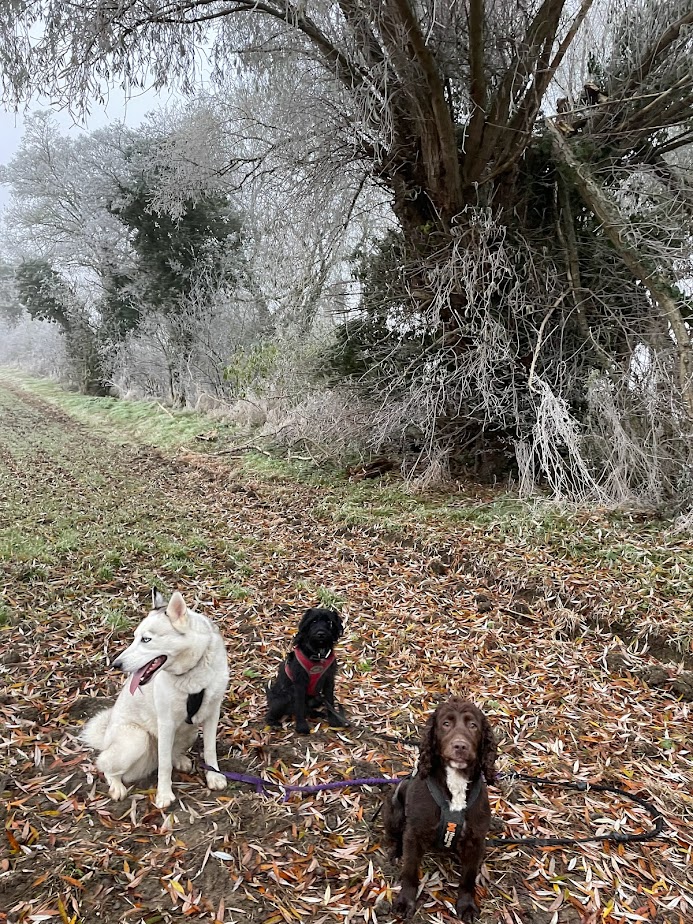
Recovery time can be used well if you focus on the seven types of rest advocated by Dr Saundra Dalton Smith (and the subject of a previous blog). Rest is more then just siting still or being quiet (although this may help some). It is about finding the activities that really help.

Self-coaching or working with a coach to look at this could also help. Checking for any perceptions or beliefs about over working. There is also a case here for some organisational and cultural change in some circumstances too.

Ideas from current leaders

Moustapha, one of the International School leaders says, “What helps in achieving a semblance of balance is setting clear boundaries and practicing mindful scheduling, though admittedly, this is easier said than done.” Frances advises “Planning things to do in advance sometimes helps as it forces you to switch off.”

A teacher who described how he struggles to switch off says that he sets a prompt leaving time from work each day. Knowing how difficult it can be to switch off, this, along with going to the gym helps me to destress/ relax after a busy day. He describes how he also tries and organise one thing each week like going out for dinner to have a life after working hours.

And another teacher says she used to struggle to switch off but describes how now she has stopped taking her laptop home most nights, it has improved her mental health. Whilst workload can still be an issue, if she has something to be completed, she stays at work, creating a clear divide between home and work. She also says that having a partner that also works in education, and they have adopted a policy of no shop talk at home which benefits them both and allows them to be present in what we are doing. She also says walking the dog and getting out and about also helps.

Jack, a school leader in Mexico describes how since starting a whole-school leadership position, he has been going for walks in the evening and ensuring that has have time with his family, either reading together, playing football or at the very least chatting over a meal each evening. He describes making a conscious decision to “switch off” after 8:00 pm which he says has been very helpful in marking the difference between work and leisure time.

Elle, another international school leader describes the benefits of turning off notifications. She says she can be reached in emergencies, but all other work-based forms of communication are turned off when she is done with work for the day. That might not be at 5:30pm but whenever she chooses to choose is her ‘stop’ time. If she still has notifications, she says she must look and would then be thinking about it even if she can’t do anything until back at work the next day. Elle also says “When I do need to work at the weekend, I make sure I agree with myself the ‘stop’ point in advance. Maybe an amount of time or a task. I then plan to do something immediately after, even better if it’s something I must book so I make myself stop and go. This has helped me not overwork at the weekend – and means I get my nails done regularly! Elle also says exercise helps and describes how heading straight to the gym at the end of the day helps to process and decompress.

Reluctance to Speak about Rest

It has been good to speak to some leaders and teachers about their experiences with rest switching off from work. What I was surprised about, however, was the vast number of leaders and teachers who were so reluctant to speak, or who didn’t want to be referenced or quoted. Some of the reasons they gave, for not wanting to speak about taking rest/recuperation were fear of judgement or a fear of getting more work. Some said that people wouldn’t think they were doing a good job if they had time to rest. Clear research says that taking time to rest makes leaders better – and I believe that would apply to teachers too. Why then can’t we celebrate this?  People were equally reluctant to speak about having too much work. Some said this was for fear of reprisals at work or being labelled a trouble maker.

Conclusion

The evidence is here – rest is an important part of a leader’s life, not just for themselves and their families, but also as a key component in becoming a better leader, for the benefit of their organisations, teams and anyone they serve.

For some sectors, there are almost certainly some structural, significant changes needed to make this more effective and consistent for leaders. Ther are also some cultural changes, which I think we are seeing the star of about not seeing over work as a badge of honour.

Let’s not normalise over work. Let’s continue too to encourage all leaders to look to this research. All tasks come with an opportunity cost – if they are less valuable than the need to rest and create better leaders and teachers, they need to be taken from the routines and “what we do”.

At an individual level we can all take our part. We can take steps to look after ourselves, be intentional about rest and recuperation, setting time for this as part of our schedules, knowing it makes us better leaders, as well as enabling us to be healthier humans.

How are you going to make sure you get the rest you need and disconnect from your work after hours?
2023: Celebrating the Wins

Coming towards the end of 2023, I have started to see several posts about setting goals for the forthcoming year. I have set goals before or even New Years Resolutions and achieved with varying rates of success. Completing “Couch to 5K” a few years ago was probably one of the more successful, I still run, which I had never done before January 1st, 2020. Other goals or resolutions have been less effective and fallen by the wayside.

This year, I wanted to think differently, so I have been looking to the areas of positive psychology and neuroscience, prompted by learning from the coach training I completed a while back, for some guidance, which has brought an awareness of the benefits of celebrating wins first before thinking about goals. Previously, goal setting, for me has involved focussing on what has gone wrong or somewhere I believe I am failing.

Negativity Bias

Does this sound familiar? Research shows that, we tend to ignore our personal achievements and dwell on our shortcomings instead. In part this is the way we are built, what psychologists call ‘negativity bias’. Studies show we’re more likely to focus on the things we haven’t achieved than take stock of what we have accomplished.

Our negativity bias means we tend to pay more attention to negative events than positive ones and often make decisions based on negative rather than positive information. This is likely to be a result of evolution. Earlier in human history, paying attention to bad, dangerous, and negative threats in the world was literally a matter of life and death. Those who were more attuned to danger and who paid more attention to the bad things around them were more likely to survive. This meant they were also more likely to hand down the genes that made them more attentive to danger.

The evolutionary perspective suggests that this tendency to dwell on the negative more than the positive is simply one way the brain tries to keep us safe. Whilst this may still serve a purpose, it is something that can also hold us back and ultimately be damaging. An awareness of it and developing alternative thought patters is therefore important.

Why Focus on the Wins?

Spending time focussing on the positives, our achievements, wins, however, small makes us feel better and makes us more likely to achieve further success. Our brain is a reward-loving machine. At the centre of this is dopamine, a neurotransmitter associated with pleasure, reward, and motivation. When we achieve a goal or receive positive feedback (even from ourselves), causes the release of dopamine, which boosts our mood, motivation and attention. It also signals us to keep doing the activity again and again. Missing this celebration, therefore, means that we not only miss out on the feelgood element, but also the prompt to support future achievement. If we consistently undermine or overlook our successes, we can inadvertently starve our brain of this positive reinforcement. This can lead to negative neural pathways and foster Imposter Syndrome or other forms of self-doubt.

If you acknowledge your skills and celebrate your achievements, you’ll begin to act in a way that embodies confidence and competence. If you focus on failure, you are more likely to doubt yourself which will make you less likely to succeed. Recognizing your wins, no matter how minor leads to improved performance, increased motivation, and a sense of well-being. This has been studied closely, multiple studies have revealed that individuals who take the time to acknowledge and celebrate their achievements exhibit higher levels of self-esteem, reduced anxiety, and enhanced job performance. One study indicated that participants who reflected on past successes before embarking on a task were more resilient and performed better than those who didn’t.

Embracing Success can also be a challenge if we have been brought up to be modest. We may (I know I do) feel uncomfortable about acknowledging achievements publicly. Acknowledging achievements doesn’t, however, necessarily mean flaunting them. It’s about internal validation. I did want to share some thought, partly for my own recognition, and, hopefully, to help you look for your wins too.

Reflecting on My Wins

2023 has been my first full year of running my own business. Whilst I have also had a school-based role for part of the time too, this has been a year of learning about business. Setting up my accounts, thinking about pricing and meeting an accountant to organise how I pay myself and ensure tax is paid properly has been an accomplishment.

Growth and expertise are two of my core values, this year I have been pleased to complete further coach training, so I can now be confident in coaching teams as well as individuals, I passed the new coaching competency exam, and having completed 500 hours of coaching (and the previous 125 hours of coach training and 10 hours of mentor coaching) became accredited at the higher level of PCC (Professional Certified Coach).

Connection is another core value of mine, and the relationships I have built with the school leaders I have coached, supported and the teachers I have mentored have been positive. Their feedback has been super, with them commenting on how the space I provide enables them to think and grow, and how the support and coaching has benefitted their wellbeing. Again, with wellness as one of my core values too, seeing the wellbeing benefits for school leaders and teachers has been great.

My overall purpose professionally is to support school leaders and teachers, in whatever I am doing. Indirectly, by providing governor training, which has been well received and from which feedback shows positive impact has also been a win.

Additionally, in a totally random move, I joined Teachers Talk Radio as a host this year, my fortnightly show has begun to attract downloads and feedback has been positive. I have also enjoyed this new experience, growth and learning.

In terms of achieving personal goals this year, I have been pleased to be able to spend some more time with my husband, Richard, to support him with his travelling role and be more present for him. My Dad too, has benefited from us having some more time together, and I have been pleased to be able to support him with shopping and other appointments as well as regular trips out for coffee and lunch. It was also great to have organised a reunion with friends from university in November, I can’t believe 30 years since we first met, and enjoying weekend back in Birmingham this year was great. Certainly a highlight to look back on.

I pleased to have kept up with running, especially with the dogs and have joined a gym and started Pilates. I’ve enjoyed some day light horse rides and attended a dressage competition. I have also embraced my creativity, beginning to master pyrography and Dremel engraving and producing some items for home and for gifts. All small wins, but important for wellness and creativity.

Next Steps

The process of writing these has brought a real wellbeing benefit. I have also been inspired to think of next steps and new goals, building on the success here. I am careful not to let this take away from my enjoyment of the simple accomplishments – and sometimes a clear “that’s good enough” means we don’t need to take something further – just enjoy the achievement. It has, however, helped me to begin to clarify some goals.

How to Embrace Success

The process of listing and writing a little about each win has inspired some new goals for 2024 – so look out for those later this week. First, however, I want to focus on consolidating the important step of embracing success. Here are the steps to follow if you want to gain the benefits from embracing success too.

First, acknowledge and make a habit of writing out your accomplishments, no matter how small. Some prompts that may help are:

  • How much have you changed in the last year? And in what ways?
    • What challenges have you faced and what did they teach you?
    • And what are the learnings you are taking into this new year?
    • What are you most proud to have achieved?

Next, share your achievements. You can talk to friends, mentors, colleagues or a coach. Talking out loud can help and their feedback may be helpful too, but remember, this is just one perspective.

When someone offers praise, accept it gracefully instead of deflecting or undermining compliments. You can try a simple “Thank you” as a response.

Why You Should Share Your Wins

Celebrating our achievements inspires others to do the same, creating a ripple effect. If we can encourage and uplift one another, we can drive collective growth and innovation.

What have been your accomplishments this year?

Even the smallest wins can cause the dopamine release and then the prompt to repeat these, thus building future success. Sharing your wins will also inspire others to do the same.

Purpose: The Importance of the Why?

What does it mean to have purpose in life? Why is it important? and how can we find our purpose? These are the three questions I shall endeavour to answer here, as well as sharing examples of some purpose driven educators and leaders.

First, a bit off context. Most of my professional life has been in the world of education. Teaching can be a tough job with, for example, Ofsted and the wider accountability structures, cultural issues as well as underfunded services which are placing ever increasing pressure on educators and school leaders. There is, however, a lot of “purpose” in the education profession which I believe is a key factor that keeps great people in the profession.

At the moment, teachers and school leaders need some major changes to happen, including significant reform to the Ofsted inspection and reporting system, changes to accountability around exams and progress measures as well as increased funding for schools and other related services.

There are, however, real wellbeing benefits of having and reflecting on our moral purpose. I’m not talking about toxic positivity, but here I shall reflect on and share my learning about the importance of purpose.

Purpose – What’s Special about the Why?

Philosophers have sought and debated “the purpose of life” for centuries. I’m not going to attempt that here, but I am going to suggest that what matters is “our purpose in life”.

Our purpose or meaning in life is generally thought of as the central, motivating aims of our lives. Sometimes referred to as the reason we get up in the morning, our purpose is closely linked to our values and can guide our life decisions and direction, influence our behaviour and ultimately bring meaning to our lives.

Writing in the Harvard review in September 2023, Ayse Yemisicigill, Melis Sena Yilmaz and Matthew T. Lee define purpose as:

“an overarching intention that is personally meaningful to you and of consequence to the world beyond yourself. Your purpose can help you organize your life, give you a clear direction, and motivate you — especially when you encounter life’s inevitable setbacks and disappointments”

We all have a particular set of skills, talents, experiences and interests and our purpose is related to these. Our purpose is what motivates and drives us, what keeps us going when challenges are tough. It is also about the long game rather than short term or in the heat of the moment.

Purpose, for many is connected to meaningful work, or a vocation. It can also be about nurturing a family, bringing happiness to loved ones or commitment to a community. Purpose isn’t fixed and is likely to change through life. Change of purpose may happen after a significant life event, such a bereavement or children growing up or a change in relationship status.

Having a purpose is essential but finding what brings us meaning may not be straightforward and many of us can be confused about our purpose or lose sight of it from time to time. If we lose sight of what keeps us going, especially when faced by challenges, our mental health is likely to dip and our motivation will drop.

Writing in Psychology Today in March 2022, Kristen Fuller MD, a Physician who has become a writer, editor and reviewer explains that, according to research, individuals who have a strong sense of purpose and meaning in life tend to have better mental health, overall well-being, and cognitive functioning compared to those who lack a sense of purpose.

Fuller, who specialises in mental health, addiction, and primary care goes on to explain that individuals with a sense of life purpose are less likely to have heart attacks, strokes, and dementia. She cites several studies that also show that individuals with a strong sense of purpose tend to engage in healthier behaviours and lifestyle choices such as practicing regular physical exercise and participating in preventative health services.

A study in 2013 found that individuals with a strong sense of purpose in life were better at stress management and had better sleep than individuals without a strong sense of purpose. Research has also shown that having a positive and meaningful aspect in life may improve brain function, including overall cognition and memory. Additionally, individuals with purpose tend to have lower instances of depression.

The benefits of having a clear purpose are evident from the research research, I was interested to read and hear how highly a number of the most respected and influential education leaders and practitioners, as well as some earlier in their careers with whom I have been fortunate to work, regard purpose and how evident this is in their work.

Purpose Front and Centre

A Recent interview with Adrian Rogers, CEO of Chiltern Learning Trust as part of the TES 10 questions series highlighted an example of moral purpose in action. When asked why he works in education, Adrian responded by speaking about his background, describing how he was the first person in his family not to go down the pit, and how his intelligence gave him opportunities. He went on to describe how his background drives him, stating “you want children to have a better opportunity than you had, to make the schools that we run a better place for the children, to give them those wider opportunities.” He describes how part of his career has been in affluent areas but having a preference for schools in working class areas and a focus on raising aspirations. Later in the interview, where he describes some of the challenges he faced as a bright boy in a tough school, you can see why he is so keen to ensure the best possible educational experience for young people now across his trust.

And Adrian isn’t alone in his purpose driven leadership and sense of purpose in his professional life. I wrote to a number of leaders and educationalists asking them about their “purpose”. Sam Strickland (@Strickomaster on Twitter/X), Principal, CEO and author responded “I initially entered the profession due to my love for education, children and my absolute passion and love for wanting to teach history. I have absolutely loved my time in the profession. What keeps me here? A passion and desire to want to make a difference to my school, my staff, the pupils we serve and the community where my school is situated. I also see it as a privilege and an honour to be able to support the wider educational community through the opportunities afforded to me and my school.”

So, Sam is clear about his purpose, initially in sharing his knowledge and love of history – and then, that phrase we hear often “to make a difference”. As a Principal – the purpose of wanting to make a difference for his own school community – interestingly, specifically mentioning his staff.  Sam’s support for other teachers and heads beyond his own school is also widely known and so I think this sense of purpose is clear. Huge thanks Sam for responding.

Jamie Pardon, Director of Education and Former Headteacher in Pioneer Learning trust describes how she didn’t go into teaching directly from school, instead she started working in a  nursery as a TA and fell in love with the role. Jamie tells me that she didn’t love school herself as a pupil and student, largely after experiencing verbal and physical bullying in Year 7. Explaining this further, Jamie says, “I wanted to be part of the solution,  my motto is ‘be the change you want to see’. I went into primary rather than secondary, simply because I couldn’t pick a subject! What keeps me in education put simply is I still believe in the reasons I went into teaching. Of course, working in a fantastic organisation that is forward thinking and invests in people in all levels key too!”

Paul Carlile, a former Headteacher and now consultant and leader linked to a large successful MAT in Hull responded “So, I went in to teaching because as a secondary student who wanted to study music I missed this opportunity because of the inadequate teaching I received over 4 years … meaning I was unable to make the grade – ( syllabus not covered in both practical and theory ) the college wouldn’t accept me without the grades. I decided to go in to teaching to ensure pupils receive an equitable experience and realise their dreams.”

Geoff and Margaret, favourites of mine on X, who you may recall returned to the classroom answering the “call” for retired teachers to return during the pandemic. During today’s pub lunch, they said “ It was the children who brought us into teaching and the children who kept us there! We both just wanted to make a difference. Even though the job can be exhausting, it’s a privilege to be able shape a life.”

For the ECTs I have had the privilege of mentoring, talking “purpose” has been fascinating. For Katie who teaches year 1, it is “helping the children to develop their understanding of the world.” Oliver, who teaches year 2 tells me he gets purpose from seeing the lasting impact we have as teachers. He also values he bonds we create, says he enjoys the joy of being crazy and seeing the progress children make. For Celine, she recalls the positive impact one of her own primary school teachers had on her, and has recently been in touch with her. Such an inspiration.

Bex Owen, currently acting head at Little Paxton Primary school has clear moral purpose. As a former pupil at the school herself, now as substantive deputy head and currently acting head she describes always wanting to be a teacher. She explains, “I am massively passionate about bringing out the best in people and helping them to discover what they are brilliant at. I do want to make a difference in children’s lives and give them the best start to their education so they become lifelong learners. Even though education can be tough, it really is the best job in the world. Seeing children curious, eager to learn, getting experiences that they may not have without school and growing up to make a difference in society makes everything worthwhile. There is not a day, or hour, that is the same so teaching is never boring. Knowing you unlock the future for children through what you teach is an amazing feeling!” Bex has been at the same school for her whole career, the same school she attended as a child, and describes herself as invested in the local community.

Other leaders have similar stories. Molly describes wanting to teach because her mum was an LSA in a school, she would often go and volunteer in her school, and absolutely loved watching the teacher teach the children and interacting with them. Molly says when she was younger she really enjoyed school and worked hard and now, as a teacher, some days are hard but the reward of teaching and seeing the children achieve in small moments is absolutely amazing and so she wouldn’t want to do anything else.

Alex described how he was really unsure of what to do after leaving university so he tried volunteering in schools and LOVED it. Started in secondary then tried primary. He describes the satisfaction of being part of the school’s “journey” and feeling like you are having an I impact.

Some common themes and some contrasts. The influence of their own experiences as children and young people has been interesting, either inspired by school days they loved, or not enjoying school for various reasons and wanting to make it better for the next generation of children and young people seems to be a common theme.

For me, school wasn’t always a great place. Primary school didn’t always provide much in the way of challenge, and then at secondary school, this was also often the case. I often wasn’t that enthused or inspired, but do remember some teachers who did provide work, lessons and discussion that captured my imagination and made me think. In addition, I never really felt that I “fitted in” and so I have always wanted school to be a place that is as inclusive as possible – where children and young people can be who they truly are and understand about belonging rather than fitting in.

I guess, I wanted, as a teacher and then as a head to make sure this was the case more often ideally all of the time) for the children in my class. Becoming a school leader this widened to school level, wanting to support and challenge teachers to be the best they can be. Since leaving headship, I can see my purpose has changed a little. Now, I want to be able to enable school leaders to be the best version of themselves, anything I can do the help, through any coaching, support, governance to enable them to thrive and make their schools great places for all children and young people to learn.

What is clear is that however challenging education is, it is a vocation that brings a sense of purpose, tapping into this, thinking about it and bringing it to the front of your mind will bring wellbeing benefits.

So, how can we find our purpose?

Finding Purpose

Just because it is healthy to have a sense of purpose or meaning does not mean that a sense of purpose is easy to find. Sometimes we also assume something is our purpose because it is what we have heard, or we feel it ought to be. That is the danger of giving those examples – whilst it is great to hear about others, it is our own purpose that matters to us, and the inner work we may need to do to really find it and articulate it so that we can strive to live a life that aligns to our purpose.

  1. Take time for yourself. Finding your purpose will take time. You can use the rest of the ideas here as a basis for writing, or reflecting, or work with a coach to explore this further. Whatever you do, it will need some quality thinking time.
  2. Try new experiences, get out of your comfort zone and then take time to reflect on your experiences. This was one of the outcomes from the research into finding purpose done by Ayse Yemiscigil, Melis Sena Yılmaz and Matthew T. Lee published in September 2023 in the Harvard business review. Their study with 400 students graduating from high school showed this to be a prime factor. The research also showed that purpose was strong where people were engaging in experiences that showed them how their interests can help them contribute to others’ lives in ways that are personally meaningful. Reflection on these experiences was also found to be crucial, specifically reflecting on how the experiences linked to something that was socially useful.
  3. Search Inward. Tony Robbins, American Author and coach says that the questions “What is my purpose in life?” and “How can I be happy?” are actually the same – and they have the same answer. He argues that you can never truly understand how to find your purpose by listening to others’ opinions and seeking outside approval and that everything you need is within yourself. Robbins argues that the only thing holding us back is our own limiting beliefs and advocates identifying each limiting belief and replace it an empowering belie. Through doing this, he says we develop greater self-awareness and when we’re in control of our emotions, we’re in control of our life. We can discuss our goals and purpose, this is advocated strongly through the research by Ayse Yemiscigil, Melis Sena Yılmaz and Matthew T. Lee, taking feedback and using as we wish, but ultimately, it is up to each of us as individuals to do the work, and make sure we are focussed on our own purpose, not something we think we should have as our purpose. A non judgemental coach space can provide this opportunity for reflection.
  4. Purpose before goals. Robbins says if you focus only on achieving short-term goals, you will never find your true passion or learn how to find your purpose. The goals you work toward must always be based on finding your purpose. If they’re not, you’ll only feel a fleeting sense of accomplishment and will soon be seeking something more. You won’t be able to see that life is happening for you instead of to you. When you set a goal, ask yourself: How will this help me feel more fulfilled? How does this relate back to my purpose? Robbins advises keeping a journal to keep your purpose at the top of your mind.
  5. Focus on what you have. Developing an abundance mindset helps us to see beauty and goodness all around us and makes our purpose in life much clearer. It helps us to feel like we have more of the answers and that we are on the path to achieving meaningful goals. When we focus on what we have, fear disappears and abundance appears.
  6. Take ownership of your life. Think carefully and decide what’s truly right, You must not let yourself be driven by fear or anxiety and realise that every circumstance in your life is a result of your own decisions.
  7. Think about what brings you joy.  When you discover what brings you joy, you usually discover where your passions lie. Your abilities are connected to that sense of joy, so examine them too.
  8. Think about your needs. what are your most fundamental needs? This is an easy one to get wrong, and it is common for us to have a false sense of purpose based on others’ expectations rather than our own needs. Fulfilment begins with your innermost needs.

These ideas for finding our purpose make sense when we also reflect on some of the examples from those who generously shared their purpose with me. New experiences were common, positive benefits for others are also evident and common features of core purpose.

Reflections on Purpose

One thing that I can honestly reflect has been on my work this year with a Primary School that I have really grown to love. When I ask myself why this work has made me smile every day, always want to get up and go in to school, to be out on the gate whatever the weather, to work through any challenges, I can see it is all about the purpose. Supporting the ECTs to be the best versions of themselves, to be able then in turn to provide great education and opportunity for this wonderful school community has brought real alignment with my purpose. Of course, them being a great team to work with and the children and families being lovely too has helped. It has been a wonderful to spend the past 12 months with the ECTs and this last term with the new leadership team, and now I know they will continue to go from strength to strength. It has been a privilege to be even just a small part of their journey. Thank you Springfield for everything. It’s all about the purpose.

Wellbeing: A whole self check in

Do you have a particular time of year that you find more difficult than the rest of the year? Many of us do, for some, it is Christmas, for others it is mid January after the festivities have died down. For me, it is early November, for a number of reasons that combine to make this a time when I am likely to feel low, less motivated and generally less mentally well than most of the rest of the year.

A number of factors combine to make this time particularly challenging for me.

The clocks go back at the end of October, leaving the first week in November feeling darker in the evenings. A subtle change, but I find dark evenings difficult, lots of the things I enjoy and find make me feel better need outdoors and daylight, or are certainly better like this – horse riding, walking, running all work better with lighter nights, especially if work doesn’t allow time in the day. Whilst not the shortest nights, at this point, after the change and loss of an hour of evening daylight, I also know that “this is as good as it gets” in terms of evening light for four months. It is the time of year when I lost my mum, a long time ago, when I was on teaching practice, and I think these factors together make this a difficult time.

A couple of years ago, during November having what I now know were symptoms of burnout that had grown over a couple of years, my work as headteacher was feeling unmanageable I reached a point where I needed to stop and take a break. I was fortunate to receive some excellent support, from the wellbeing service our school used, my coach, some colleagues past and present and friends and family too.

I returned to school for the end of term, and for the Spring term, but I had made the decision to take a new direction, and left at Easter. Since then, as a coach, supporting school leaders has been an important part of my work. Knowing more about myself and signs to look out for that tell me to focus a little more on wellbeing are important too. This brings me on to the whole self check in.

Wellbeing check in

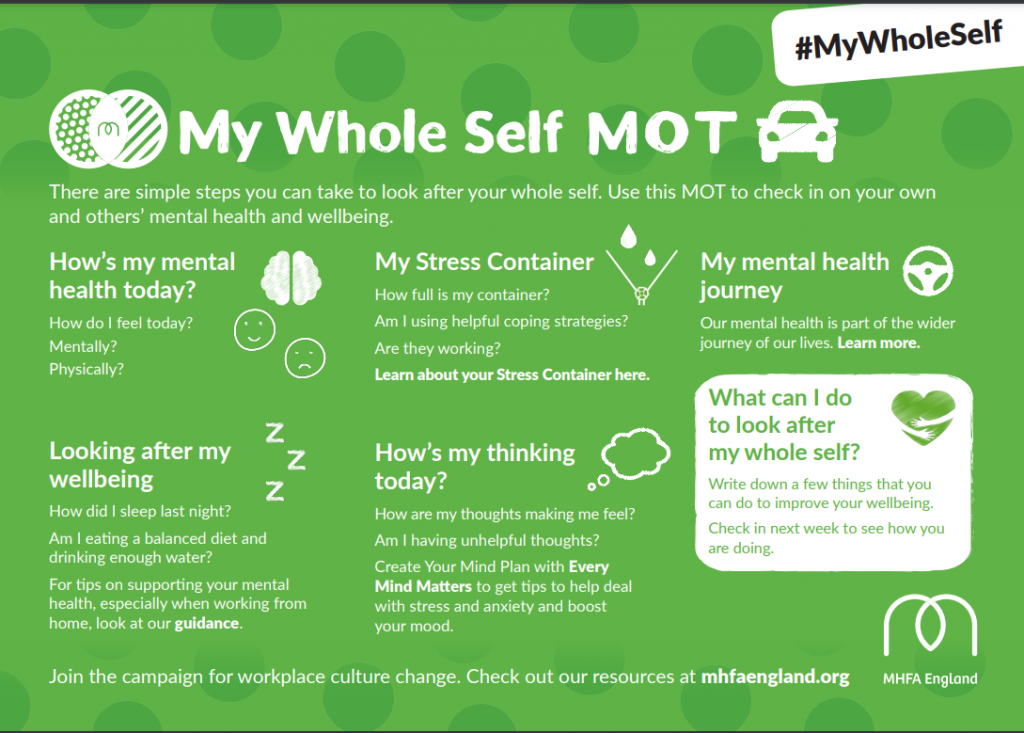
I saw these resources earlier this year and particularly like ideas here on this poster as I think they are really useful as a check in.

Stress Container

The stress container is something I have used a lot as a tool to help me think carefully about what I need to do in order to maintain or return to a place where I am able to manage my stress effectively. It is a key part of Mental Health First Aid training, and I find it really useful.

Start by thinking of the size of your container, our vulnerability to stress is determined by a number of factors including genes, our life experiences and environment.

The sources of stress flowing into the container will vary for each of us, but can include work related stress such as workload, multiple and conflicting demands, finances, conflict, bereavement or poor diet. There is space in the container for some of these, but when there is too much at once and the container overflows, we will feel and demonstrate the effects of stress. We may become ill, snap, feel overwhelmed and generally struggle to cope.

Coping Strategies – Turning the Tap On

There are ways we can turn on the tap to let some of the stress out and reduce the overflow. For me, this is all about being outside with our animals, riding my horse or running with with the dogs. Physical exercise, rest – see my blog on the seven types of rest, meditation and generally taking time for yourself are all helpful coping strategies.

There are also unhelpful strategies, like drinking alcohol, overworking or excessive social media access. These may appear to help briefly, but quickly “block” the tap and create further overflow and as such are definitely best avoided.

The thing about the stress container for me is that it is visual, makes me think and rationalise and helps me to make deliberate choices about looking after myself. Making a note of this, setting myself some specific tasks to do that look after me and then checking back is important to keep me on track so that I don’t neglect the important task of looking after myself.

What can you do to prioritise your self care?

Authenticity: The Key to Emotional Rest

Just as aching muscles tell us our body has worked hard and needs physical rest, such as gentle stretches, slowing down and stillness, there are also signs to alert us of our need for emotional rest. Being aware of these and knowing how to respond provides immense wellbeing benefits and can prevent mental ill health and burnout.

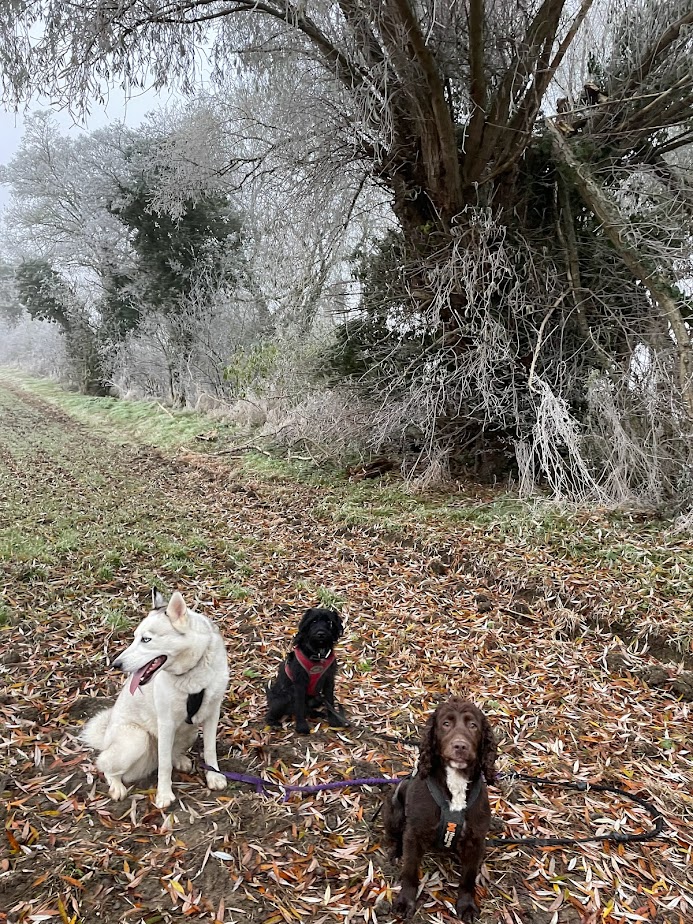
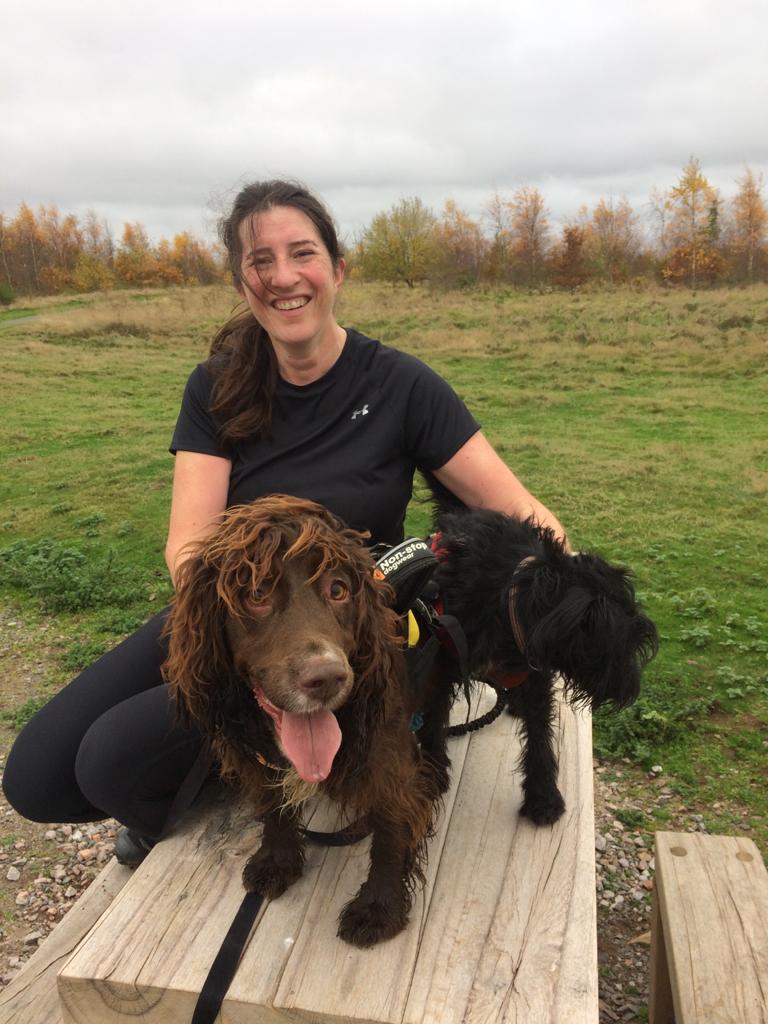
Read on to learn more about this – and how being our “authentic selves” helps. Here’s a picture of Flo and Alfie who have no issue with authenticity – seen here in what definitely cant be described as an Instagram perfect image.

Emotional Fatigue – The signs

A combination of feelings of apathy, anxiety, irritation, low mood and anger is a sign that you could be experiencing an emotional rest deficit or emotional fatigue. Over time, if not addressed, this can lead to burnout which is now categorized as a “syndrome” that results from “chronic workplace stress that has not been successfully managed,” according to the World Health Organization’s International Disease Classification.

Emotional Withdrawals

Our emotional strength is tested in a number of ways, but the majority of drains on this comes from two main sources. For the first, we need to recognise that our internal capacity to manage our emotions is finite. It can be helpful to see this as a full cup of “emotional resource”. Each time we provide support for others through interactions which draw on this resource, such as offering sympathy, consoling someone, encouraging and supporting someone in difficulty, we “effectively “pour” from this cup. When our emotional withdrawals exceed our emotional capacity, our cup is empty and we will experience emotional fatigue.

The reason for this has been widely studied and there is understanding of the reciprocal effect of emotion. The emotional response in others can unconsciously trigger memories in us of events that caused us to respond in that way, bringing these feelings back to the fore. Mirror neurons can also trigger us to experience the emotional atmosphere of others.

This emotional response is central to being human and having compassion. It doesn’t mean we should not do these things, feeling these emotions isn’t “bad”, it just highlights the need for us to be aware of the dangers and to ensure we take appropriate care for ourselves.

“You can’t pour from an empty cup”

As school leaders and teachers, we have numerous interactions every day with parents, students, colleagues, the relationship web is so complex and many interactions will involve support, compassion and will draw on our emotional energy reserves. An awareness of this and an understanding of how to rebuild our emotional energy is vital.

Performance vs Authenticity

The second major draw on our emotional energy is “performing”, showing up as the person we think we should be or the person we think others expect us to be. We often have an “act”, and play a role we think will be liked, respected and more successful than the real versions of ourselves. Dr Saundra Dalton- Smith warns us that “When we cease to be authentic, we dive into a deep emotional pit”.

Our “mask” may differ between circumstances, look at many social media accounts and ask yourself how authentic they are and you will get an idea of the causes of exhaustion around today.

Trying to “fit in” is emotionally exhausting, striving to please others and to be who you think they will accept will lead to emotional fatigue.

Teachers and School Leaders

Many teachers and school leaders will recognise that they have felt the symptoms of emotional fatigue emotional fatigue as will others who are in similar public and responsible roles. For these people, there are numerous, daily interactions and a complex web of relationships with pupils, students, parents, the wider community, governors and colleagues where teachers require compassion, care and frequently support others.

Teaching can also be an “act” – I remember a more experienced teacher telling me this when I was newly qualified, they explained that over time the difference between my teacher self and the real me would lessen and it would feel easier. I always wondered about this and if I would become more “teacher” or the other way round. I am not really sure, but I still find this fascinating.

As a school leader, I can also see how the image of the swan – not showing our stress in order to appear calm, appearing serene on the surface whilst paddling away frantically beneath the water is another common act.

We may also be unable to give voice to our stress or emotions for fear of appearing weak.

Refilling our emotional reserves

The good news is that with an awareness and focus on replenishing our emotional resource, we can overcome overcome emotional fatigue and return to a state of thriving.

Emotional awareness

Notice your emotional state following interactions with others. Consciously ask yourself – “In what way are my emotions being influenced when I am around X?” Recognising this, acknowledging and making choices about interactions is the first step. Maybe there are some people who it might be beneficial to no longer be involved with. Some you may want to continue relationships with, even with the challenges and others may be unavoidable. For these, awareness of the impact is important as is the realisation that following certain interactions you will need to take time for emotional rest.

Emotional Rest

We can often race through life without stopping to notice some of the good things. Pausing to look at the sunrise/set, mindfully eating and noticing the taste and texture of your food provides much needed emotional rest.

Setting boundaries, being clear about relationships, especially those that can deplete us. Saying no to requests that we may feel obliged to do, but we know will leave us emotionally exhausted.

Authenticity

Authenticity is defined by psychologists as the act of expressing one’s true self, and it has been shown to have numerous psychological benefits. For instance, authenticity increases well-being, is associated with more positive social relationships, and can act as a buffer against interpersonal conflict.

Stop comparing yourself to others, comparison limits individuality and destroys our ability to be authentic.

Think about who you are – coaching around this can be powerful. Find the adaptations you are making to fit in or be accepted based on what you think/believe will make you liked/accepted/successful. Think about when you might be performing to please others. Ask yourself, if you stop what is the worst that could happen? What happens if you carry on?

Who are the people you most feel like yourself around? Why? Open yourself up to connection with these people. These rewarding relationships will bring you the strength to be both vulnerable and authentic.

In your work, identify what is holding you back from being your true self? What are your beliefs about this? Where do these beliefs come from? How true are these?

Teachers and school leaders have to operate within professional codes, but this doesn’t mean you can’t be yourself. What is it you are hiding and why?

Authenticity requires It takes psychological safety, trust, belonging, inclusion and strong relationships. It takes a level of vulnerability — and sometimes, really going outside your comfort zone. When looking at wellbeing at work, these are key factors to consider. Sometimes, it takes getting to know yourself before you learn how to be authentic at work, coaching can really help with this.

What authenticity is and isn’t:

Showing up authentically doesn’t mean you’re oversharing your life.

  • You don’t have to share your whole life story 
  • You don’t have to connect with everyone on a deep, personal level 
  • You don’t need to share unfiltered opinions, perspectives, or comments that may be hurtful to others 
  • You don’t need to sacrifice your boundaries

It does mean that you:

  • share what you are comfortable to share
  • admit what you don’t know (and do know)
  • stay true to your values
  • are open about your worries and concerns
  • share your ideas
  • are honest
  • show your personality
  • laugh and cry sometimes

I’d love to hear if any of this has resonated with you.

How will you focus on emotional rest? What about authenticity?

Rest: Is there room in your schedule?

Almost a fortnight ago, whilst enjoying a week’s break from work, I posted about the importance of rest. The half term break, as most of my work is school related seemed like a good week to take a holiday and also a good time to focus on rest. It was a useful topic to reflect on as I know that rest is something that has helped me to be resilient but also something I have neglected on occasion, to the detriment of my health and work.

Rest is a key factor in developing and maintaining resilience and so an awareness of the seven types of rest advocated by Dr Saundra Dalton Smith is so important.

I enjoy my work, especially since I have started working flexibly, doing a mixture of coaching and supporting teachers and leaders. Even so, after week of “back to business”, I was feeling decidedly unrested. A focus on rest, looking at the types I need the most and ensuring they are a part of my week’s holiday had been useful but I can see now that rest is even more important during a working week.

I realised that in a busy week full of work, family and volunteer governor commitments that I hadn’t prioritised rest highly enough. Reflecting, I also noted a pattern. Looking further back, as far as my student days and then as a teacher, and more recently as a headteacher, I realised that where things had been going well and I felt confident, receiving good feedback and achieving well, I have “allowed” myself the reward of rest. Of course, now knowing the importance of rest, I can see why this helped with a positive spiral. More rest leads to a better performance, feeling better, allowing more rest and so on.

Conversely, I also know that there have been times when things haven’t been going well, where I was unhappy about feedback I’d received, or when I felt I wasn’t achieving enough or that my performance was poor (aware that some of this criticism is applied myself), I haven’t rested enough. Of course, I have still slept, or tried to, but have certainly not taken the breaks, mental rest and relaxation needed. As a result, this has then led into patterns of poor performance leading to even less willingness to rest creating a negative spiral. On one occasion, a wake up call came in the shape of burnout, a turning point and one I hope never to return to.

Rest isn’t a luxury – it is an essential

The key lesson – rest is something we all need and deserve. However we may judge our performance, whilst we may use some rest type activities as motivation or reward, good, varied and appropriate rest is vital to our ability to function, perform, live and support others.

Rest During the Work Day

This led me to focus back on the seven types of rest that Dr Saundra Dalton-Smith writes about, only this time to look at them in the context of a work day or working week. A time where there are many conflicting demands. I hear many of you say that this is also the case during holiday times, with families to juggle, but with work added, this must create even more pressure and risk the all important rest being squeezed out. So, how can we make sure there is time and that we allow ourselves rest?

Permission to Rest

First, we need to star with permission. You need rest. Rest will make you more capable and happier, you owe it to yourself. It isn’t a luxury, even if some rest activities may fall into the “luxury” category, rest is something we need to function and flourish as human beings.

With all of the thoughts here about rest, practicing in a non stressful situation will make accessing rest in more challenging times more possible and effective.

Physical rest

One suggestion is to practice “body fludiity”. At your desk or elsewhere at work, roll your head around in circles, curl your toes, squeeze and open your hands. These little actions of motion will help to prevent stiffness from setting in and are an important part of physical rest.

Before bedtime, create a routine to prepare for sleep, dim lights, lavender scents, no TV or phone helps too. A few minutes doing stretching poses and trying to have a consistent bedtime should help too. This should help to improve sleep which is important in the working week.

Mental Rest

Your brain is likely to be working hard in the work week, constantly trying to conquer your never ending to do list, or solve problems, it deserves a rest and needs one in order to function optimally. Allowing your mind to rest is vital.

Schedule blocks of time for specific activities. Multi tasking is exhausting, but scheduling blocks of time for specific tasks like emails, is helpful.

Whilst meditating at work may sound like impossible, meditation is an excellent way to provide mental rest and can be done in short periods of time, as little as 5 to 10 minutes can help. Guided meditations are available, or you can spend a few moments focussing on your thoughts. Notice your thoughts, what is occupying your mind? Don’t analyse or judge your thoughts, just start by acknowledging those thoughts. Similarly a body scan can be practiced outside of work and then done at work in a relatively short period of time.

A walk away from your desk or office at some point in your day, outside if possible can also help, if you can access the power of nature – trees, fields or a river, this is excellent for mental rest.

Emotional Rest

If you are noticing emotional changes through the day, especially after an interaction with a particular person, start to think how you can respond in a way that leaves you emotionally healthy. This isn’t a quick fix, but noticing is a good starting point. If there is a chance to talk and return to a better emotional state, try to do this.

You should also stop comparing yourself to others or trying to be like you think others want you to be. Be who you are. Try to find people who you can “be yourself” around, if this is difficult at work, an awareness of this is a good starting point. If you notice yourself “adapting” to try to fit in or second guess what people want, this is something to reflect on and think how you can be more yourself instead.

Social Rest

We are likely not to have had the luxury of choosing our colleagues and the other people we encounter at work, so in our working day, this is about an awareness of who you feel most connected to and finding opportunities for interaction with them. Professional associations, groups of people with similar interests are a good starting point as are those who may face similar challenges.

Seek opportunities to talk without judgement.

Listening is important too, notice how much time you spend talking and try to shift the focus more to listening, as a key part of communication. Active listening, focussing and seeking to understand creates connection and builds understanding too.

Spiritual Rest

In a busy work situation, retreating to a place of safety that exists in your mind can be comforting. This does, of course need practice and preparation. Dr Daulton Smith writes “sanctuary is not simply a place; it’s a state of being”. Accessing this lace takes practice, but like meditation as emotional rest, similar mindful practices and meditation, even in short spells can bring about spiritual rest.

Sensory Rest

Dr Dalton Smith advises us to “unplug” – even if for a short break at work, seek an opportunity to be away form all devices, phones etc. for a period of time. Ask yourself what brings sensory rest to you and try to add this. If you find music calming, then see if you can find a way of bringing this into your day. Similarly the clothes you wear can have an impact on your sense of touch – some fabrics may calm you. What you wear to work can have an impact so think carefully about what helps you.

Creative Rest

Consider how you could organise your work day so that it fits with you mind and body’s natural rhythm for performance. For most, these are 90 minute or wo hour blocks with a break of 20 minutes. Think about tasks that might be better done in the morning, work with your body clock if you can. Between 1pm and 4pm most of us are less productive and so if you can plan your day to account for this it will help.

Creative tasks are a huge boost too, where you have the opportunity to draw, paint, write or anything else creative, this can be a huge benefit.

My week so far

Aware of my rest deficit last week, this week I have focussed much more on this. Today, I have sought out people who I can talk to and whose company I find uplifting. I feel lucky to work somewhere this is possible, and thinking back, my headteacher colleagues, with whom I am still in contact have always been a great source of support – and social rest.

Today, prior to a challenging meeting, I spent some time quietly walking and focussing on my breathing. It went well, but still presented some challenges. Afterwards I took a full 20 minute break, with a walk outside, and some time focussed on breathing and mental rest.

The week feels better and this deliberate focus on rest, whilst I build up these habits is helping so far.

Now I am home, I am waiting for it to cool down and hope to take the 3 dogs for a short walk or just a swim. The river and these three provide perfect recipe for an evening of mental rest.

How are you doing? How do you focus on rest in the working week?

Rest: More than just sleep

We all know that getting enough rest is a key factor in maintaining our wellbeing. I had often linked rest with sleep – often then wondering how, even with plenty of sleep, I have often still felt tired. This led me to look into “rest” more thoroughly, and to finding the work of Dr Saundra Dalton-Smith, physician, speaker, coach and author of “Sacred Rest”.

Dr Daulton-Smith states “Rest encompasses the restorative activities we do that help us refill our tanks, which become depleted throughout the day. It truly reenergizes us.” She is clear that rest is about much more than just sleep. She goes on to define seven types of rest that everyone requires.

Seven Types of Rest

How much rest you need and how often you need to replenish each type of rest varies from person to person. “One size does not fit all when it comes to rest. Everything you do draws from a different pool of energy. The best rest occurs when you revive the specific kinds of energy you regularly deplete,” Dr Daulton-Smith explains.

Here are the seven types of rest with a brief explanation:

  • Creative: Engaging with things that inspire and motivate you, such as nature and art.
  • Mental: When you quiet your mind and focus on what’s really important.
  • Physical: Rest that relieves your body of muscle aches and tension and helps improve your sleep.
  • Social: Spending time on relationships you cherish and engaging with people who enhance your life.
  • Emotional: The ability to express your deepest feelings and be your genuine self.
  • Sensory: Taking a respite from background noise, including negative self talk and interaction with digital devices.
  • Spiritual: Tapping into the feeling that you are part of something bigger, and having a sense of belonging and fitting in.

My restful week

As much of my work is with school leaders and teachers, it makes sense for me to also take a break over the half term. I have been enjoying the break, and using the time to practice closely the seven types of rest.

Monday started with some show jump coaching, great for mental rest, as purely focused on my horse, the exercises and some progress as an added bonus. The rest of the day was spent almost totally outdoors, trying to get the garden in order, so more mental rest, creative rest and already starting to feel the benefits. In addition, time with my husband and Dad – social rest spending time on relationships I cherish, I can see exactly how powerful this focus on rest is.

Tuesday, out running with the dogs, always a real head clear, and my favourite mental and creative rest, where I was inspired to capture some of my rest journey in my blog. Often where I have my best ideas and creative thoughts, running provides me with the sort of clarity that comes from this important form of rest.

Wednesday, my fortnightly Zoom catch up with fellow coach, Terri provided emotional rest. We often coach each other, chat about things that are going on for us, and this provides an opportunity to talk things through, without judgement, to be open and vulnerable. Not all conversations and relationships allow this, or maybe we don’t often allow ourselves this form of rest. For me, this is something I feel the benefit of enormously.

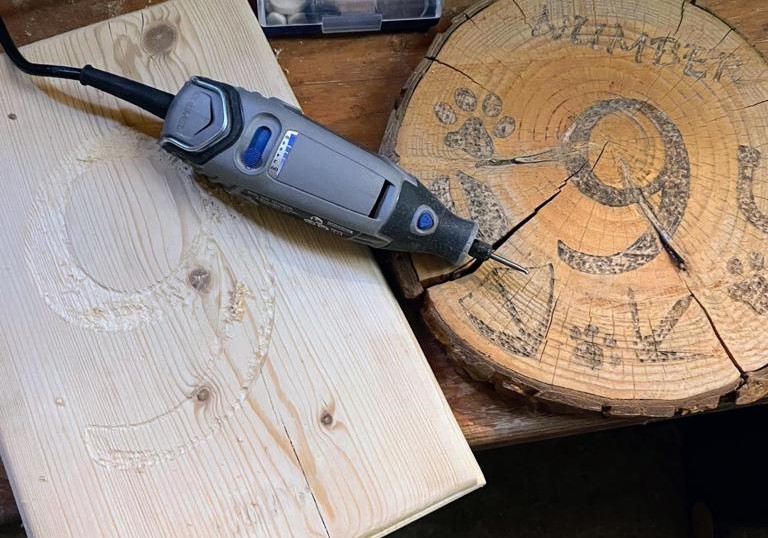
More creative rest too on Wednesday, with a bit of work on the house number project. Just a cut off from an old scaffold board, some sanding, routered edges and the start of Dremel engraving (before painting the number and varnishing). Still a work in progress, but a form of rest I have discovered recently.

Thursday was a day of social rest, starting with a run on a new route with a friend. Next followed an afternoon of unexpected visitors – lovely friends and neighbours, before an evening of drinks with colleagues.

Friday has been a day of physical rest, with some stretching and also, up to mid afternoon, sensory rest, enjoying some quiet time and a break from screens and devices too. Tonight, on my Teacher’s Talk Radio Show, I talked about rest and also meditation – as spiritual rest. Callers shared ideas such as looking out to sea and up into the sky to see we are part of something much bigger.

Overall, a very restful week. As we discussed in the show, ensuring the seven types of rest are incorporated into life back at work is vital for our wellbeing. Short meditations such as a body scan can help, regular brain breaks and engaging with colleagues and screen savers of restful places and images.

I would love to hear your thoughts. How best do you rest?

Resilience: What you need when the road gets rocky

“I just need to be more resilient”

Resilience is a word that comes up lot in coaching, education and many other areas. I have heard many people reflect that they “need to be more resilient” – or worse still, say to others, “you just need to be more resilient”. Before we can begin to contemplate increasing our resilience, I believe we need to understand more about the concept itself as well as reflect a little about ourselves. Only then can we move forward.

Resilience is sometimes listed as a value, a positive trait, and when I was early on in my teaching career, I was proud to read a reference describing me as “highly resilient”. There have been times where this has probably been the case, but other times where I have felt that my resilience has been low. Particularly in the last couple of years, I have experienced poor mental health, and this leads me to look closely at the concept of emotional resilience. Resilience is important to enable us to thrive and be successful.

My coach training and wider learning recently has increased my self awareness and my understanding of the concept of resilience. I wanted to share some knowledge, reflections and experiences relating to resilience through my blog.

What is Resilience?

The concept of resilience was developed in the 1970s, and was very much seen as a personal quality, something fixed that we either have or we don’t have. The concept was linked to studies of achievements of vulnerable children, those who did better than “expected” were deemed to be “resilient”.

Jump forward 40 years and as of 2012, The American Psychological Association (APA) defines resilience as: 

“the process and outcome of successfully adapting to difficult or challenging life experiences, especially through mental, emotional, and behavioural flexibility and adjustment to external and internal demands.” 

This definition sets resilience as a process and an outcome. It suggests that resilience is something we can build or develop. Some argue that this definition is still a little narrow and that resilience is an important factor in enabling us to thrive and not just the ability to bounce back.

Resilience does not eliminate stress or erase life’s difficulties, but allows you to tackle or accept problems, live through adversity and move on with life. 

Whilst resilience is still often referred to as a quality, it is more commonly accepted that it is something that we can develop, and is not not fixed. Biological and social influences set some of us at an advantage (or disadvantage) when it comes to resilience, but the good news is that with support, work and learning, it is something we can all develop.

Whether a process we work through or quality we have and/or can develop further, it seems that it is something that would benefit many of us to learn more about.

Burn Brighter

While there are many definitions of resilience, psychologists typically agree that it made up of both the capacity to handle difficult times and our ability to respond flexibly. Some researchers go further, identifying the following three factors as essential to resilience (Boniwell & Tunariu, 2019):

  • Recovery
    Returning to normality or the pre-stressor degree of functioning
  • Resistance
    Limited or no signs of disturbance following the stressor
  • Reconfiguration
    Returning to a different homeostasis and finding new stability according to the change in circumstances

This takes the definition of resilience a step further, recognising that resilient individuals going through significant life events do not always recover effortlessly; but they often find a new path. Whilst difficult events may “knock” an individual, with the benefit of resilience, this can lead to growth.

There are many types of resilience, for this blog, I will focus on emotional resilience.

Developing and Increasing Resilience

Even with high levels of resilience, difficult emotions such as sadness, loneliness, guilt, etc are still very real. These emotions are felt, but with resilience, the individual is able to work through the difficulties, and come out the other side with learning and growth.

Clearly then, resilience is something worth looking into as it enables us to get through difficulties and to be more successful, happy and increase our chances of being able to lead the lives we want to lead – linked to our goals and values.

There is a lot of advice out there about how we can improve our emotional resilience, I have picked a selection that I can relate to. As with all pieces of advice, what works for me may be different to what works for you. I shall try to explain the science too.

1. Develop Self-Awareness

Pausing to examine your own feelings can be very powerful. Being deliberate about reflecting on exactly how something makes you feel can increase your levels of resilience.

Through self-awareness, we gain a deeper understanding of how thoughts create feelings and then in turn how these feelings contribute to our actions.

Self-awareness gives us the courage to look for answers within ourselves. Tuning in to our inner world, building self-awareness helps us in becoming more capable and present. Coaching can help with this, providing a focus on what we think, how we feel, questioning our perceptions and linking these to our actions.

2. Take a balanced, optimistic view and focus on positive thinking

Taking an optimistic view doesn’t mean looking through rose tinted spectacles. A flexible thinker would consider a range of optimistic and pessimistic views when considering something. Becoming a “realistic optimist” is the ultimate in balance and flexible thinking. Realistic optimists pay close attention to negative information that is relevant to the problems they face, however, unlike pessimists, they do not remain focused on the negative and instead, look to potential positive outcomes.

Positive thinking is not to be confused with toxic positivity, but people who can think positively and see potential positive outcomes are more resilient.

3. Look from different perspectives.

Considering other perspectives or having an awareness that your own view isn’t the only one is a vital part of flexible thinking and can boost our resilience as we will take a more balanced view of events or issues.

4. Check the facts

Rational thinking means looking for facts and challenging our assumptions, many of which thanks to negative bias may be unhelpful.

Quite often, what we may believe to be true is just an assumption and our minds can sometimes then look for evidence to back this up, reinforcing our potentially inaccurate views. Simple coaching questions “how true is that?” , “what are the facts?” and “how do you know?” can all help you to check for facts and assumptions. Rational thinking, removing assumptions can then make us more resilient as we know not to believe some of the negative assumptions that we may make. Our negative bias makes negative assumptions more common than positive ones. Of course, some positive assumptions may also dent our resilience by leading to unpleasant surprises when the truth and facts become evident.

Coaching is a powerful way to challenge our thinking, and to enable us to develop more flexible thinking.

5. Interpersonal relationships

Developing a strong support network can be a key factor in increasing resilience.

Building strong interpersonal relationships widens our vision – it changes the way we see the world and ourselves. Additionally, how our networks support us is crucial too. If our people see us as capable and not in need of rescue, this is positive. Acting as coach rather than rescuer supports resilience too.

6. Practice Self Compassion

Self compassion involves offering compassion to ourselves: confronting our own suffering with an attitude of warmth and kindness, without judgment. Think about how you speak to yourself – would you speak like that to a friend, colleague or peer? If not, don’t speak to y0ourself like it. One practice, the self compassion brek can be very powerful in increasing resilience. It has 3 steps:

  • Be mindful: Without judgment or analysis, notice what you’re feeling. Say, “This is a moment of suffering” or “This hurts” or “This is stress.”
  • Remember that you’re not alone: Everyone experiences these deep and painful human emotions, although the causes might be different. Say to yourself, “Suffering is a part of life” or “We all feel this way” or “We all struggle in our lives.”
  • Be kind to yourself: Put your hands on your heart and say something like “May I give myself compassion” or “May I accept myself as I am” or “May I be patient.”

Meditate

As mindfulness gurus like to remind us, our most painful thoughts are usually about the past or the future: We regret and ruminate on things that went wrong, or we get anxious about things that will. When we pause and bring our attention to the present, we often find that things are…okay.

Practicing mindfulness brings us more and more into the present, and it offers techniques for dealing with negative emotions when they arise. That way, instead of getting carried away into fear, anger, or despair, we can work through them more deliberately. One practice that is effective is the “body scan”, here you are guided through (or self guide) concentrating on your whole body, from your heard to your toes in turn.

My Reflections

For me, I can see how a positive outlook and positive thinking has helped me in challenging times, I can also see how looking for facts has helped too. Conversely, during times when I have been less resilient, looking back I can clearly see how I had made assumptions, become too focussed on negatives. Equally, I have been enormously helped by coaches to reframe my thinking, to be aware that not all thoughts are facts and to take a more balanced view.

As connection is one of my core values, a small but supportive network of close friends, colleagues and family are constant resilience builders. Always on hand to listen, question, and support – I cant thank this tam of resilience builders enough.

What about you? I’d love to hear what helps you to build and maintain resilience.

Running: Reflections on Values, Goals and Barriers

  • “I can’t run”
  • “I don’t run”
  • “Running is something I could never enjoy”
  • “I don’t see the point of running”

These are all things I have said, many times. I thought these statements were true, and to me, at a point in time, they have all been true.

At school, I hated PE. Pretty much everything about it, I hated the changing rooms, I dreaded any game where I had to catch a ball (poor hand eye co-ordination and being short sighted resulted in almost certain failure), I remember feeling sick half way round a cross country run (the few occasions I took part before working out a plan for total avoidance). As soon as I could stop I did and never went back. Horse riding and looking after horses has been my “exercise” – never running – that was always avoided.

With very few exceptions, I probably had never run any sort of distance until the age of about 45. Around my 45th birthday I decided to lose some weight and to get fitter, so followed an advert for a local trainer who was running some exercise groups. This involved a supportive group of women, a great trainer and was held in a golf range. There was a variety of exercises, weights, skipping (something else I never thought I would be able to do) and a little bit of running – just short distances. I lost weight, got into exercising consistently and then, in January 2020 I started the couch to 5K. After 9 weeks, I finished it and did my first Park Run. Shortly after, we went into lockdown and running started to bring yet more benefits.

Running and Limiting Beliefs

Running has taught me that just because we think we can’t do something, it doesn’t mean we never will. I am not a fast runner, but I have found I can actually run reasonably well. I can see that we can probably do many of the things we tell ourselves we can’t. Looking back now at all of the voices telling me I would never be a runner – probably most of them mine, all I needed was a plan, a way to break it down into manageable chunks and to find a place to start. Ultimately, I just needed to believe.

Running and Having a Plan

Couch to 5K is a brilliant plan. It breaks down your introduction to running into manageable sessions, starting with just running for 60 seconds and then resting – before repeating. It is just 30 minutes too, including warm up and cool down. The commentary is encouraging and you always know when you are half way through. This builds up over the course of weeks, one week you run for 20 minutes without a break – this is the first time I felt like a runner. Eventually you run for 30 minutes, at first, this didn’t quite cover 5K, so I and then I built up the running time until I ran 5K. Soon I chieved 5K within 30 minutes.

Running and Values

Wellness is one of my core values, and running reinforces this, improving my physical fitness (as well as weight, improved cardio vascular fitness is a bonus). More notably, however, is the “headspace” running provides. The feeling after a run is amazing – stressbusting at its best. Connection is another of my values, and whilst connection with people takes up a lot of my days, running is all about time with my dogs and my connection with them. I also enjoy running with people too.

Running and Goals

I have also learned a lot about goal setting. My first goal was to run 5k. This was a good goal for me, realistic, measurable and really got me into running. Then I worked out a plan to increase to 10k, again, positive in that longer runs provide good thinking space for me, a time to really relax. The dogs also prefer this level of exercise.

For a time, I got quite caught up in wanting to run faster, I realise now, that it is important to check in with your goals. I had decided I wanted to run a faster mins per KM speed. I started some training on this, but after some time I was feeling frustrated and had avoided some runs. I had also picked up a couple of aches and pains in my knees. I realised that it was about my times, and I gave it some thought – why do I run? For fitness and wellness. I realised that speed isn’t such a benefit for this – but consistency and remaining injury free was. I also realised that I had fallen into a bit of a trap with Strava, which is good for keeping track, but had led me into “comparisonitis”. Other Strava contacts were running faster than me, I needed to give this some thought. Should I keep using Strava? I decided I should as I like to look back at the records. I also like the community – and as long as I am aware to keep the comparisons at bay, this is a benefit.

If my goals were to win races, be the fastest for my age group, it would be different. But knowing that my reasons for running are to keep fit, to enjoy the physical and mental benefits as well as to exercise the dogs, I decided that running 3 times per week – even if just a short run, was a better goal for me. Consistency and commitment are important to me.

Running and Resilience

Will I ever take that next step and test my stamina and resilience by trying an ultra or marathon? At this stage I don’t know – my goal is to keep running as part of my wellness – physical and emotional and resilience fits here.

Resilience will be my next topic.

What do you think? Any barriers you have overcome? Are you a runner?

Ever achieved something you thought was well outside your range?

I’d love to hear.

© 2026 MH Connection

Theme by Anders NorenUp ↑