Welcome to MH Coaching and Consultancy

Category: Values

2023: Celebrating the Wins

Coming towards the end of 2023, I have started to see several posts about setting goals for the forthcoming year. I have set goals before or even New Years Resolutions and achieved with varying rates of success. Completing “Couch to 5K” a few years ago was probably one of the more successful, I still run, which I had never done before January 1st, 2020. Other goals or resolutions have been less effective and fallen by the wayside.

This year, I wanted to think differently, so I have been looking to the areas of positive psychology and neuroscience, prompted by learning from the coach training I completed a while back, for some guidance, which has brought an awareness of the benefits of celebrating wins first before thinking about goals. Previously, goal setting, for me has involved focussing on what has gone wrong or somewhere I believe I am failing.

Negativity Bias

Does this sound familiar? Research shows that, we tend to ignore our personal achievements and dwell on our shortcomings instead. In part this is the way we are built, what psychologists call ‘negativity bias’. Studies show we’re more likely to focus on the things we haven’t achieved than take stock of what we have accomplished.

Our negativity bias means we tend to pay more attention to negative events than positive ones and often make decisions based on negative rather than positive information. This is likely to be a result of evolution. Earlier in human history, paying attention to bad, dangerous, and negative threats in the world was literally a matter of life and death. Those who were more attuned to danger and who paid more attention to the bad things around them were more likely to survive. This meant they were also more likely to hand down the genes that made them more attentive to danger.

The evolutionary perspective suggests that this tendency to dwell on the negative more than the positive is simply one way the brain tries to keep us safe. Whilst this may still serve a purpose, it is something that can also hold us back and ultimately be damaging. An awareness of it and developing alternative thought patters is therefore important.

Why Focus on the Wins?

Spending time focussing on the positives, our achievements, wins, however, small makes us feel better and makes us more likely to achieve further success. Our brain is a reward-loving machine. At the centre of this is dopamine, a neurotransmitter associated with pleasure, reward, and motivation. When we achieve a goal or receive positive feedback (even from ourselves), causes the release of dopamine, which boosts our mood, motivation and attention. It also signals us to keep doing the activity again and again. Missing this celebration, therefore, means that we not only miss out on the feelgood element, but also the prompt to support future achievement. If we consistently undermine or overlook our successes, we can inadvertently starve our brain of this positive reinforcement. This can lead to negative neural pathways and foster Imposter Syndrome or other forms of self-doubt.

If you acknowledge your skills and celebrate your achievements, you’ll begin to act in a way that embodies confidence and competence. If you focus on failure, you are more likely to doubt yourself which will make you less likely to succeed. Recognizing your wins, no matter how minor leads to improved performance, increased motivation, and a sense of well-being. This has been studied closely, multiple studies have revealed that individuals who take the time to acknowledge and celebrate their achievements exhibit higher levels of self-esteem, reduced anxiety, and enhanced job performance. One study indicated that participants who reflected on past successes before embarking on a task were more resilient and performed better than those who didn’t.

Embracing Success can also be a challenge if we have been brought up to be modest. We may (I know I do) feel uncomfortable about acknowledging achievements publicly. Acknowledging achievements doesn’t, however, necessarily mean flaunting them. It’s about internal validation. I did want to share some thought, partly for my own recognition, and, hopefully, to help you look for your wins too.

Reflecting on My Wins

2023 has been my first full year of running my own business. Whilst I have also had a school-based role for part of the time too, this has been a year of learning about business. Setting up my accounts, thinking about pricing and meeting an accountant to organise how I pay myself and ensure tax is paid properly has been an accomplishment.

Growth and expertise are two of my core values, this year I have been pleased to complete further coach training, so I can now be confident in coaching teams as well as individuals, I passed the new coaching competency exam, and having completed 500 hours of coaching (and the previous 125 hours of coach training and 10 hours of mentor coaching) became accredited at the higher level of PCC (Professional Certified Coach).

Connection is another core value of mine, and the relationships I have built with the school leaders I have coached, supported and the teachers I have mentored have been positive. Their feedback has been super, with them commenting on how the space I provide enables them to think and grow, and how the support and coaching has benefitted their wellbeing. Again, with wellness as one of my core values too, seeing the wellbeing benefits for school leaders and teachers has been great.

My overall purpose professionally is to support school leaders and teachers, in whatever I am doing. Indirectly, by providing governor training, which has been well received and from which feedback shows positive impact has also been a win.

Additionally, in a totally random move, I joined Teachers Talk Radio as a host this year, my fortnightly show has begun to attract downloads and feedback has been positive. I have also enjoyed this new experience, growth and learning.

In terms of achieving personal goals this year, I have been pleased to be able to spend some more time with my husband, Richard, to support him with his travelling role and be more present for him. My Dad too, has benefited from us having some more time together, and I have been pleased to be able to support him with shopping and other appointments as well as regular trips out for coffee and lunch. It was also great to have organised a reunion with friends from university in November, I can’t believe 30 years since we first met, and enjoying weekend back in Birmingham this year was great. Certainly a highlight to look back on.

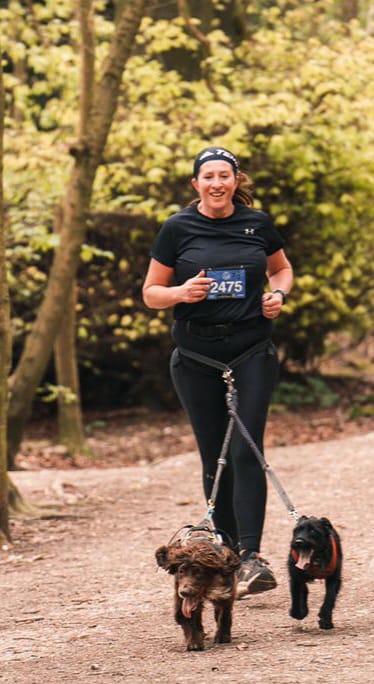
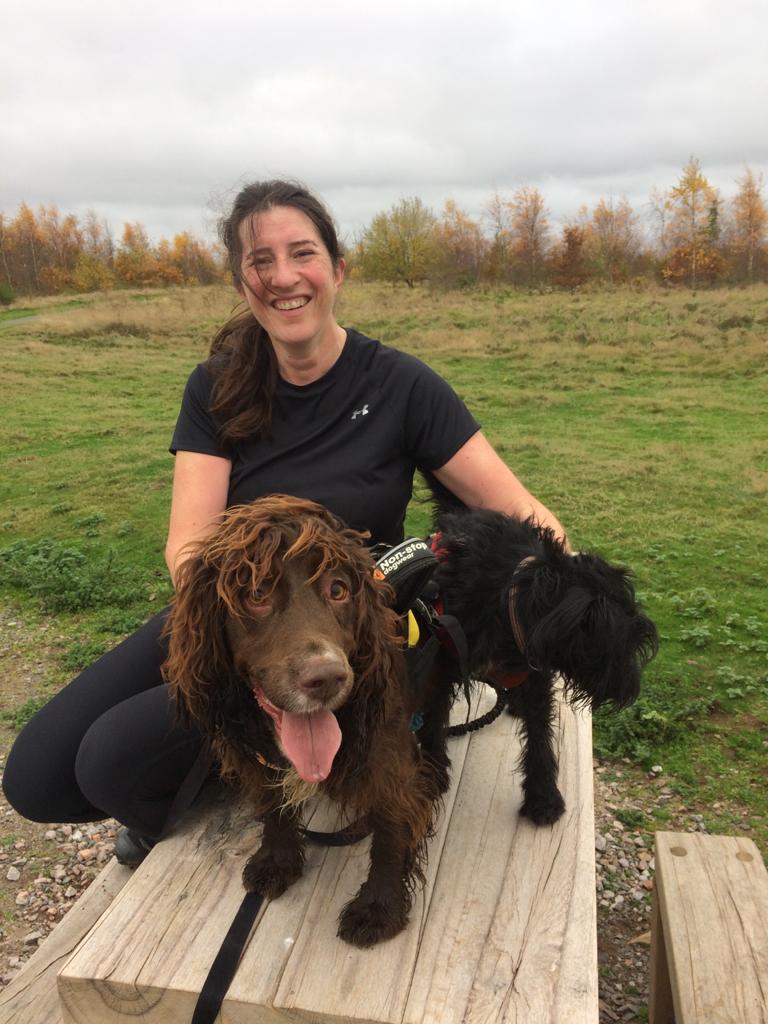
I pleased to have kept up with running, especially with the dogs and have joined a gym and started Pilates. I’ve enjoyed some day light horse rides and attended a dressage competition. I have also embraced my creativity, beginning to master pyrography and Dremel engraving and producing some items for home and for gifts. All small wins, but important for wellness and creativity.

Next Steps

The process of writing these has brought a real wellbeing benefit. I have also been inspired to think of next steps and new goals, building on the success here. I am careful not to let this take away from my enjoyment of the simple accomplishments – and sometimes a clear “that’s good enough” means we don’t need to take something further – just enjoy the achievement. It has, however, helped me to begin to clarify some goals.

How to Embrace Success

The process of listing and writing a little about each win has inspired some new goals for 2024 – so look out for those later this week. First, however, I want to focus on consolidating the important step of embracing success. Here are the steps to follow if you want to gain the benefits from embracing success too.

First, acknowledge and make a habit of writing out your accomplishments, no matter how small. Some prompts that may help are:

  • How much have you changed in the last year? And in what ways?
    • What challenges have you faced and what did they teach you?
    • And what are the learnings you are taking into this new year?
    • What are you most proud to have achieved?

Next, share your achievements. You can talk to friends, mentors, colleagues or a coach. Talking out loud can help and their feedback may be helpful too, but remember, this is just one perspective.

When someone offers praise, accept it gracefully instead of deflecting or undermining compliments. You can try a simple “Thank you” as a response.

Why You Should Share Your Wins

Celebrating our achievements inspires others to do the same, creating a ripple effect. If we can encourage and uplift one another, we can drive collective growth and innovation.

What have been your accomplishments this year?

Even the smallest wins can cause the dopamine release and then the prompt to repeat these, thus building future success. Sharing your wins will also inspire others to do the same.
Running: Reflections on Values, Goals and Barriers

  • “I can’t run”
  • “I don’t run”
  • “Running is something I could never enjoy”
  • “I don’t see the point of running”

These are all things I have said, many times. I thought these statements were true, and to me, at a point in time, they have all been true.

At school, I hated PE. Pretty much everything about it, I hated the changing rooms, I dreaded any game where I had to catch a ball (poor hand eye co-ordination and being short sighted resulted in almost certain failure), I remember feeling sick half way round a cross country run (the few occasions I took part before working out a plan for total avoidance). As soon as I could stop I did and never went back. Horse riding and looking after horses has been my “exercise” – never running – that was always avoided.

With very few exceptions, I probably had never run any sort of distance until the age of about 45. Around my 45th birthday I decided to lose some weight and to get fitter, so followed an advert for a local trainer who was running some exercise groups. This involved a supportive group of women, a great trainer and was held in a golf range. There was a variety of exercises, weights, skipping (something else I never thought I would be able to do) and a little bit of running – just short distances. I lost weight, got into exercising consistently and then, in January 2020 I started the couch to 5K. After 9 weeks, I finished it and did my first Park Run. Shortly after, we went into lockdown and running started to bring yet more benefits.

Running and Limiting Beliefs

Running has taught me that just because we think we can’t do something, it doesn’t mean we never will. I am not a fast runner, but I have found I can actually run reasonably well. I can see that we can probably do many of the things we tell ourselves we can’t. Looking back now at all of the voices telling me I would never be a runner – probably most of them mine, all I needed was a plan, a way to break it down into manageable chunks and to find a place to start. Ultimately, I just needed to believe.

Running and Having a Plan

Couch to 5K is a brilliant plan. It breaks down your introduction to running into manageable sessions, starting with just running for 60 seconds and then resting – before repeating. It is just 30 minutes too, including warm up and cool down. The commentary is encouraging and you always know when you are half way through. This builds up over the course of weeks, one week you run for 20 minutes without a break – this is the first time I felt like a runner. Eventually you run for 30 minutes, at first, this didn’t quite cover 5K, so I and then I built up the running time until I ran 5K. Soon I chieved 5K within 30 minutes.

Running and Values

Wellness is one of my core values, and running reinforces this, improving my physical fitness (as well as weight, improved cardio vascular fitness is a bonus). More notably, however, is the “headspace” running provides. The feeling after a run is amazing – stressbusting at its best. Connection is another of my values, and whilst connection with people takes up a lot of my days, running is all about time with my dogs and my connection with them. I also enjoy running with people too.

Running and Goals

I have also learned a lot about goal setting. My first goal was to run 5k. This was a good goal for me, realistic, measurable and really got me into running. Then I worked out a plan to increase to 10k, again, positive in that longer runs provide good thinking space for me, a time to really relax. The dogs also prefer this level of exercise.

For a time, I got quite caught up in wanting to run faster, I realise now, that it is important to check in with your goals. I had decided I wanted to run a faster mins per KM speed. I started some training on this, but after some time I was feeling frustrated and had avoided some runs. I had also picked up a couple of aches and pains in my knees. I realised that it was about my times, and I gave it some thought – why do I run? For fitness and wellness. I realised that speed isn’t such a benefit for this – but consistency and remaining injury free was. I also realised that I had fallen into a bit of a trap with Strava, which is good for keeping track, but had led me into “comparisonitis”. Other Strava contacts were running faster than me, I needed to give this some thought. Should I keep using Strava? I decided I should as I like to look back at the records. I also like the community – and as long as I am aware to keep the comparisons at bay, this is a benefit.

If my goals were to win races, be the fastest for my age group, it would be different. But knowing that my reasons for running are to keep fit, to enjoy the physical and mental benefits as well as to exercise the dogs, I decided that running 3 times per week – even if just a short run, was a better goal for me. Consistency and commitment are important to me.

Running and Resilience

Will I ever take that next step and test my stamina and resilience by trying an ultra or marathon? At this stage I don’t know – my goal is to keep running as part of my wellness – physical and emotional and resilience fits here.

Resilience will be my next topic.

What do you think? Any barriers you have overcome? Are you a runner?

Ever achieved something you thought was well outside your range?

I’d love to hear.

Values: More Than Words on a Page

No matter how hard you try to empower your life, you’ll still feel frustrated by your perceived lack of progress and achievement if you’re unaware of your own values and you keep trying to live by somebody else’s values.”

Dr John Demartini

Welcome to the MH Connection blog. I have chosen values as the first topic, this feels like a good starting point, partly to explain the name of the blog but also because a consideration of values makes a good starting point, or refresh point for leaders. In this post, I explore why values are important for individuals and organisations, how traditional processes of defining values are flawed, offer alternatives I have discovered through my coaching journey and talk about how my own exploration of my values has benefited my life and work recently.

“Values can’t just be words on a page. To be effective, they must shape action.”

Jeffrey R. Immelt

Values

According to the Oxford English dictionary, values are “principles or standards of behaviour; one’s judgement of what is important in life”

Our values are a set of beliefs by which we live our lives.

Your values are the things that you believe are important in the way you live and work. They (should) determine your priorities, and, deep down, they’re probably the measures you use to tell if your life is turning out the way you want it to.

“Nobody’s are the same, but you leave ’em all over everything you do”

Elvis Presley

Defining our Values

As leaders, we may consider our won values as a pre-cursor to setting a vision for our organisations. We may develop “brand values”.

Developing our own values or the values for our organisation is often done by considering a list of potential values such as:

  • respect
  • integrity
  • connection
  • health
  • courage
  • appreciation
  • empathy
  • honesty

We might start by grouping common themes and/or circling the words/values that resonate the most, before coming to a final few. This is certainly how, as a school leader, I worked. Then, along with governors, in consultation with staff, parents students I sought to define the values from which to we would establish a school vision.

More recently, I have reflected on the flaws in this process of defining values. Notably, this exercise can lead us to choose what we think we ought to have as values. For example, every leader I have known would want to say they value integrity and honesty. There may also be a desire to also look for words that form a catchy tag line, or fit a clever acronym. Values may also be confused with the vision, aims and mission statement.

Our own individual values

Dr John Demartini points out that “values are often injected by leaders in society.” We often live by ought to’s not love to’s. Lots of people don’t know what their values actually are.

For us as individuals, lacking clarity about our core values makes it harder to:

  • make good decisions, including about career and work
  • determine our top priorities
  • be assertive about what we stand for
  • maintain clarity and poise during challenges
  • identify misalignments in our lives (such as when we’re overinvesting in our work and underinvesting in our relationships)

For organisations, a lack of clarity or inappropriate values that don’t have true meaning can lead to issues with employee engagement, inconsistencies in behaviours, and a lack of trust, solid relationships and clarity for those using the organisation – in schools, this would mean parents and students.

Why values matter

Peace of mind comes when your life is in harmony with true principles and values and in no other way.”

Stephen Covey

For individuals, developing clarity over our own core values can increase confidence, character, motivation and resilience as we will be focussing more on things that truly matter to us.

For organisations, Brett Gleeson, the founder and CEO of TakingPoint Leadership, former Navy SEAL, globally recognized speaker, award-winning entrepreneur, and 2x bestselling author explains, “Leaders and managers must lean on the values of the organization to drive performance, especially during times of change. An organization’s values should be the bedrock of why the company exists, how behavioural norms are defined, and how decisions are made in order to achieve goals and fulfil the vision. They must be authentic and relatively specific, so they actually resonate with the team.”

He goes on to add “This is just as true for an organization as it is in peoples’ personal lives. In fact, 63 percent of consumers say they want to buy products and services from companies that have a purpose that resonates with their values and belief systems. They will even go out of their way to avoid companies that don’t mesh with what they believe – which goes to show that a company’s values have both internal and external implications.”

In short, getting the values for an organisation right will increase it’s appeal, authenticity and create a solid direction and foundation.

“A highly developed values system is like a compass.
It serves as a guide to point you in the right direction when you are lost.”
Idowu Koyenika
Finding our true values

Through coaching, I have focussed closely on my own values. Moving beyond a list of words, to working with my coach to develop clarity over my true values and how these show up in my world. There are some key questions you can ask yourself and it might help to jot down your ideas as you go.

  • Think of a time when you were very happy, you consider examples from your personal and professional life. What were you doing? Where were you? Who was with you? What other factors contributed?
  • Think of a time when you felt proud. Why were you proud? Who shared the experience with you? What other factors contributed?
  • Think of a time when you felt fulfilled and/or satisfied. Where were you? What were you doing? What need or desire was fulfilled? How did the experience give your life meaning? What other factors contributed?
  • Think of a time when you felt real and authentic. What were you doing? Who was there? What was special about the experience?
  • When do you feel most like yourself? What are you doing? How does it feel?
  • What angers you?
  • What feels “wrong” to you?
  • What do you want to talk about the most?
  • What do you love reading/learning about?
  • What do you like spending your time doing? What do you daydream about/visualise/imagine?
  • Where are you most disciplined and reliable?

Think about the common themes that come up through your answers. Journaling can be helpful to record what you note down, try to write the first thing that comes into your head. Maybe a mind map, drawings, notes, whatever works for you.

Working with a coach

Of course, working through the exercise above to define your values is a great exercise and can help you to develop clarity over your goals. A skilled coach can, however, make this even more effective as they will listen, without judgement, ask incisive questions, following up your initial thoughts with further, deeper discovery. They will also be able to, with your permission, share observations about any energy shifts, body language or other non verbal cues and invite you to explore what may be behind these. Again, this takes the exercise to a deeper level and can lead to a more meaningful discovery of your true values.

For me, this was so valuable. As someone who has spent their life fitting into “norms” in many respects, trying to do the “right thing” and I realise I was often operating in a way that was at odds with my core values, this aspect of coaching has been truly transformational.

My Core Values

As you will see from my bio, I am now able to live and work in a way that is much more in alignment with my core values. These are:

Connection: Developing close personal and professional relationships with individuals and within teams is important to me. I have learned that I am actually an introvert, finding that interacting with large groups drains my energy and therefore more intimate groups are more manageable. Larger groups are OK as long as I can allow time and space for building that energy back up. The human connection is the important part for me. Listening to others and also being listened to is also crucial. I value having more time for my dad, husband, close friends and also the ever growing collection of animals whose connection also brings me joy animals as well as my work which provides connection with some amazing professionals.

Wellness: Both my physical and mental health was impacted by Ofsted inspections, pressure over test results and leading through COVID during my 13 years as a headteacher. Improving my own health, through running (canicross), fitness, eating well and also having time and space to re-energise mentally has been revolutionary for me. My work enables me to support the wellbeing of others too, which is a huge bonus.

Growth: Part of my heart will always stay in education – with true personal and professional development being such a central driver. As a teacher, I always felt that education is about so much more than test scores, it is now so fulfilling to both be able to learn and grow more as a person myself, but also coach and mentor others where I can work with an walk alongside side others through their own personal and professional journeys. Personally, I have worked on “progress not perfection” – using this as a key mantra, supported by my own coach.

Expertise: Whilst perfection (an old enemy of mine) is something I am leaving behind, being able to be the best I can be (within realistic parameters) and provide a quality service to you, as well as supporting your growing expertise, is important to me.

Creativity: This is something I had never identified before as something I value. Since having more time for reflection and also enjoyment, I have realised the wellness benefits of creating little woodwork projects, writing and generally trying to enable my creative side. I also realise how stifling I sometimes found the restrictions I felt I was under – albeit some of them I now realise were merely perceived, and how lifting these barriers and utilising more creative thought is so enabling.

What are your values?

I wish you well in your values journey and would love to hear about it.

Maxine

© 2026 MH Connection

Theme by Anders NorenUp ↑