Welcome to MH Coaching and Consultancy

Category: Coaching (Page 2 of 2)

Authenticity: The Key to Emotional Rest

Just as aching muscles tell us our body has worked hard and needs physical rest, such as gentle stretches, slowing down and stillness, there are also signs to alert us of our need for emotional rest. Being aware of these and knowing how to respond provides immense wellbeing benefits and can prevent mental ill health and burnout.

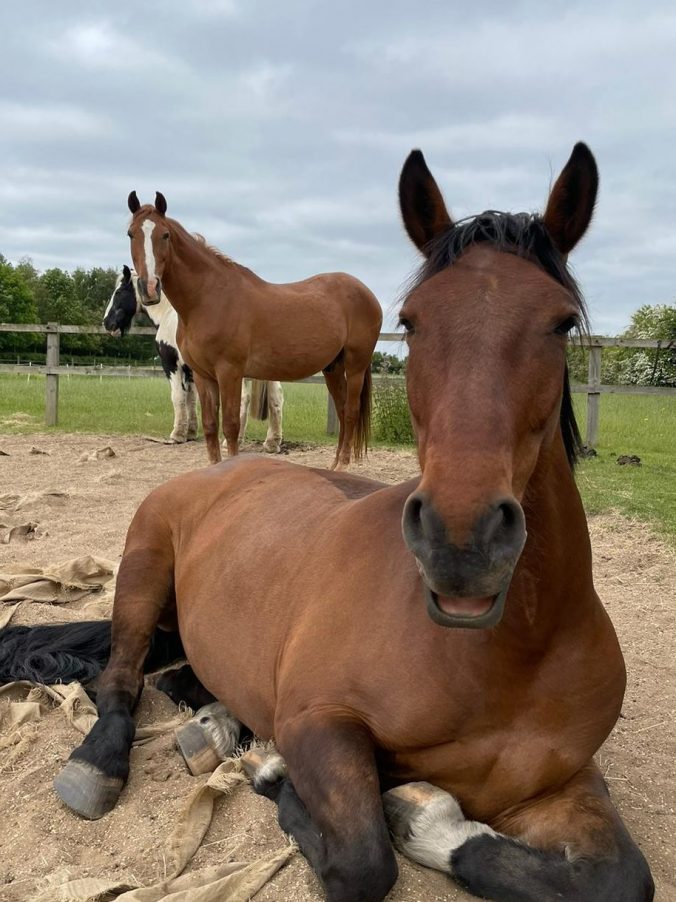
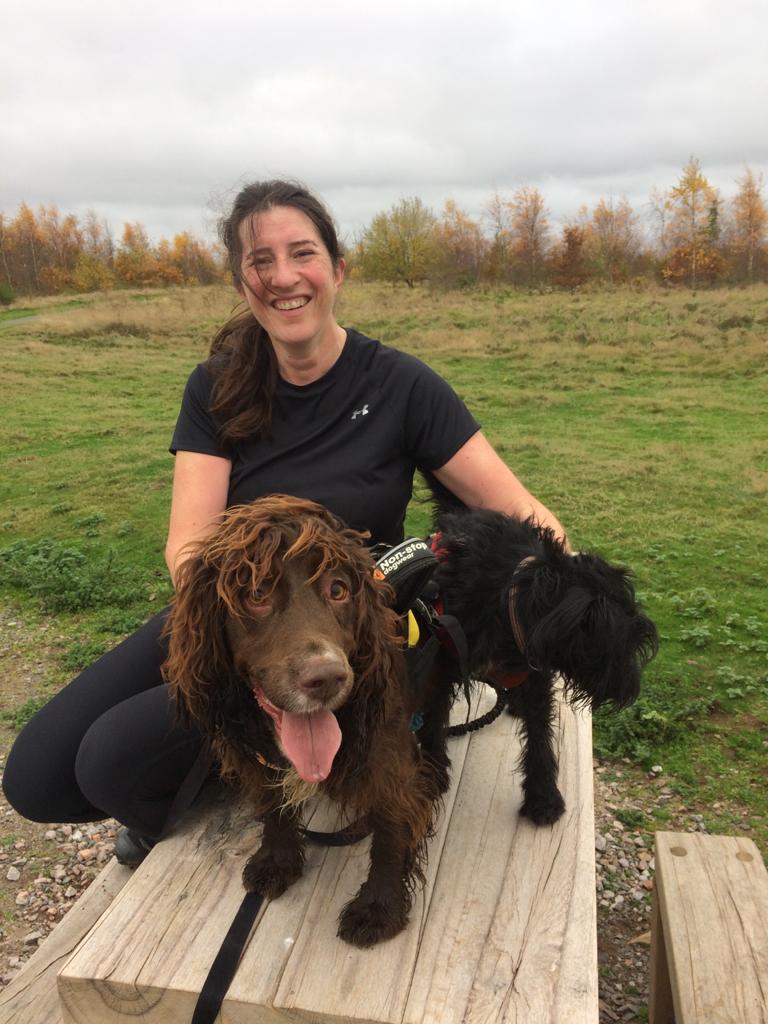
Read on to learn more about this – and how being our “authentic selves” helps. Here’s a picture of Flo and Alfie who have no issue with authenticity – seen here in what definitely cant be described as an Instagram perfect image.

Emotional Fatigue – The signs

A combination of feelings of apathy, anxiety, irritation, low mood and anger is a sign that you could be experiencing an emotional rest deficit or emotional fatigue. Over time, if not addressed, this can lead to burnout which is now categorized as a “syndrome” that results from “chronic workplace stress that has not been successfully managed,” according to the World Health Organization’s International Disease Classification.

Emotional Withdrawals

Our emotional strength is tested in a number of ways, but the majority of drains on this comes from two main sources. For the first, we need to recognise that our internal capacity to manage our emotions is finite. It can be helpful to see this as a full cup of “emotional resource”. Each time we provide support for others through interactions which draw on this resource, such as offering sympathy, consoling someone, encouraging and supporting someone in difficulty, we “effectively “pour” from this cup. When our emotional withdrawals exceed our emotional capacity, our cup is empty and we will experience emotional fatigue.

The reason for this has been widely studied and there is understanding of the reciprocal effect of emotion. The emotional response in others can unconsciously trigger memories in us of events that caused us to respond in that way, bringing these feelings back to the fore. Mirror neurons can also trigger us to experience the emotional atmosphere of others.

This emotional response is central to being human and having compassion. It doesn’t mean we should not do these things, feeling these emotions isn’t “bad”, it just highlights the need for us to be aware of the dangers and to ensure we take appropriate care for ourselves.

“You can’t pour from an empty cup”

As school leaders and teachers, we have numerous interactions every day with parents, students, colleagues, the relationship web is so complex and many interactions will involve support, compassion and will draw on our emotional energy reserves. An awareness of this and an understanding of how to rebuild our emotional energy is vital.

Performance vs Authenticity

The second major draw on our emotional energy is “performing”, showing up as the person we think we should be or the person we think others expect us to be. We often have an “act”, and play a role we think will be liked, respected and more successful than the real versions of ourselves. Dr Saundra Dalton- Smith warns us that “When we cease to be authentic, we dive into a deep emotional pit”.

Our “mask” may differ between circumstances, look at many social media accounts and ask yourself how authentic they are and you will get an idea of the causes of exhaustion around today.

Trying to “fit in” is emotionally exhausting, striving to please others and to be who you think they will accept will lead to emotional fatigue.

Teachers and School Leaders

Many teachers and school leaders will recognise that they have felt the symptoms of emotional fatigue emotional fatigue as will others who are in similar public and responsible roles. For these people, there are numerous, daily interactions and a complex web of relationships with pupils, students, parents, the wider community, governors and colleagues where teachers require compassion, care and frequently support others.

Teaching can also be an “act” – I remember a more experienced teacher telling me this when I was newly qualified, they explained that over time the difference between my teacher self and the real me would lessen and it would feel easier. I always wondered about this and if I would become more “teacher” or the other way round. I am not really sure, but I still find this fascinating.

As a school leader, I can also see how the image of the swan – not showing our stress in order to appear calm, appearing serene on the surface whilst paddling away frantically beneath the water is another common act.

We may also be unable to give voice to our stress or emotions for fear of appearing weak.

Refilling our emotional reserves

The good news is that with an awareness and focus on replenishing our emotional resource, we can overcome overcome emotional fatigue and return to a state of thriving.

Emotional awareness

Notice your emotional state following interactions with others. Consciously ask yourself – “In what way are my emotions being influenced when I am around X?” Recognising this, acknowledging and making choices about interactions is the first step. Maybe there are some people who it might be beneficial to no longer be involved with. Some you may want to continue relationships with, even with the challenges and others may be unavoidable. For these, awareness of the impact is important as is the realisation that following certain interactions you will need to take time for emotional rest.

Emotional Rest

We can often race through life without stopping to notice some of the good things. Pausing to look at the sunrise/set, mindfully eating and noticing the taste and texture of your food provides much needed emotional rest.

Setting boundaries, being clear about relationships, especially those that can deplete us. Saying no to requests that we may feel obliged to do, but we know will leave us emotionally exhausted.

Authenticity

Authenticity is defined by psychologists as the act of expressing one’s true self, and it has been shown to have numerous psychological benefits. For instance, authenticity increases well-being, is associated with more positive social relationships, and can act as a buffer against interpersonal conflict.

Stop comparing yourself to others, comparison limits individuality and destroys our ability to be authentic.

Think about who you are – coaching around this can be powerful. Find the adaptations you are making to fit in or be accepted based on what you think/believe will make you liked/accepted/successful. Think about when you might be performing to please others. Ask yourself, if you stop what is the worst that could happen? What happens if you carry on?

Who are the people you most feel like yourself around? Why? Open yourself up to connection with these people. These rewarding relationships will bring you the strength to be both vulnerable and authentic.

In your work, identify what is holding you back from being your true self? What are your beliefs about this? Where do these beliefs come from? How true are these?

Teachers and school leaders have to operate within professional codes, but this doesn’t mean you can’t be yourself. What is it you are hiding and why?

Authenticity requires It takes psychological safety, trust, belonging, inclusion and strong relationships. It takes a level of vulnerability — and sometimes, really going outside your comfort zone. When looking at wellbeing at work, these are key factors to consider. Sometimes, it takes getting to know yourself before you learn how to be authentic at work, coaching can really help with this.

What authenticity is and isn’t:

Showing up authentically doesn’t mean you’re oversharing your life.

  • You don’t have to share your whole life story 
  • You don’t have to connect with everyone on a deep, personal level 
  • You don’t need to share unfiltered opinions, perspectives, or comments that may be hurtful to others 
  • You don’t need to sacrifice your boundaries

It does mean that you:

  • share what you are comfortable to share
  • admit what you don’t know (and do know)
  • stay true to your values
  • are open about your worries and concerns
  • share your ideas
  • are honest
  • show your personality
  • laugh and cry sometimes

I’d love to hear if any of this has resonated with you.

How will you focus on emotional rest? What about authenticity?

Rest: Is there room in your schedule?

Almost a fortnight ago, whilst enjoying a week’s break from work, I posted about the importance of rest. The half term break, as most of my work is school related seemed like a good week to take a holiday and also a good time to focus on rest. It was a useful topic to reflect on as I know that rest is something that has helped me to be resilient but also something I have neglected on occasion, to the detriment of my health and work.

Rest is a key factor in developing and maintaining resilience and so an awareness of the seven types of rest advocated by Dr Saundra Dalton Smith is so important.

I enjoy my work, especially since I have started working flexibly, doing a mixture of coaching and supporting teachers and leaders. Even so, after week of “back to business”, I was feeling decidedly unrested. A focus on rest, looking at the types I need the most and ensuring they are a part of my week’s holiday had been useful but I can see now that rest is even more important during a working week.

I realised that in a busy week full of work, family and volunteer governor commitments that I hadn’t prioritised rest highly enough. Reflecting, I also noted a pattern. Looking further back, as far as my student days and then as a teacher, and more recently as a headteacher, I realised that where things had been going well and I felt confident, receiving good feedback and achieving well, I have “allowed” myself the reward of rest. Of course, now knowing the importance of rest, I can see why this helped with a positive spiral. More rest leads to a better performance, feeling better, allowing more rest and so on.

Conversely, I also know that there have been times when things haven’t been going well, where I was unhappy about feedback I’d received, or when I felt I wasn’t achieving enough or that my performance was poor (aware that some of this criticism is applied myself), I haven’t rested enough. Of course, I have still slept, or tried to, but have certainly not taken the breaks, mental rest and relaxation needed. As a result, this has then led into patterns of poor performance leading to even less willingness to rest creating a negative spiral. On one occasion, a wake up call came in the shape of burnout, a turning point and one I hope never to return to.

Rest isn’t a luxury – it is an essential

The key lesson – rest is something we all need and deserve. However we may judge our performance, whilst we may use some rest type activities as motivation or reward, good, varied and appropriate rest is vital to our ability to function, perform, live and support others.

Rest During the Work Day

This led me to focus back on the seven types of rest that Dr Saundra Dalton-Smith writes about, only this time to look at them in the context of a work day or working week. A time where there are many conflicting demands. I hear many of you say that this is also the case during holiday times, with families to juggle, but with work added, this must create even more pressure and risk the all important rest being squeezed out. So, how can we make sure there is time and that we allow ourselves rest?

Permission to Rest

First, we need to star with permission. You need rest. Rest will make you more capable and happier, you owe it to yourself. It isn’t a luxury, even if some rest activities may fall into the “luxury” category, rest is something we need to function and flourish as human beings.

With all of the thoughts here about rest, practicing in a non stressful situation will make accessing rest in more challenging times more possible and effective.

Physical rest

One suggestion is to practice “body fludiity”. At your desk or elsewhere at work, roll your head around in circles, curl your toes, squeeze and open your hands. These little actions of motion will help to prevent stiffness from setting in and are an important part of physical rest.

Before bedtime, create a routine to prepare for sleep, dim lights, lavender scents, no TV or phone helps too. A few minutes doing stretching poses and trying to have a consistent bedtime should help too. This should help to improve sleep which is important in the working week.

Mental Rest

Your brain is likely to be working hard in the work week, constantly trying to conquer your never ending to do list, or solve problems, it deserves a rest and needs one in order to function optimally. Allowing your mind to rest is vital.

Schedule blocks of time for specific activities. Multi tasking is exhausting, but scheduling blocks of time for specific tasks like emails, is helpful.

Whilst meditating at work may sound like impossible, meditation is an excellent way to provide mental rest and can be done in short periods of time, as little as 5 to 10 minutes can help. Guided meditations are available, or you can spend a few moments focussing on your thoughts. Notice your thoughts, what is occupying your mind? Don’t analyse or judge your thoughts, just start by acknowledging those thoughts. Similarly a body scan can be practiced outside of work and then done at work in a relatively short period of time.

A walk away from your desk or office at some point in your day, outside if possible can also help, if you can access the power of nature – trees, fields or a river, this is excellent for mental rest.

Emotional Rest

If you are noticing emotional changes through the day, especially after an interaction with a particular person, start to think how you can respond in a way that leaves you emotionally healthy. This isn’t a quick fix, but noticing is a good starting point. If there is a chance to talk and return to a better emotional state, try to do this.

You should also stop comparing yourself to others or trying to be like you think others want you to be. Be who you are. Try to find people who you can “be yourself” around, if this is difficult at work, an awareness of this is a good starting point. If you notice yourself “adapting” to try to fit in or second guess what people want, this is something to reflect on and think how you can be more yourself instead.

Social Rest

We are likely not to have had the luxury of choosing our colleagues and the other people we encounter at work, so in our working day, this is about an awareness of who you feel most connected to and finding opportunities for interaction with them. Professional associations, groups of people with similar interests are a good starting point as are those who may face similar challenges.

Seek opportunities to talk without judgement.

Listening is important too, notice how much time you spend talking and try to shift the focus more to listening, as a key part of communication. Active listening, focussing and seeking to understand creates connection and builds understanding too.

Spiritual Rest

In a busy work situation, retreating to a place of safety that exists in your mind can be comforting. This does, of course need practice and preparation. Dr Daulton Smith writes “sanctuary is not simply a place; it’s a state of being”. Accessing this lace takes practice, but like meditation as emotional rest, similar mindful practices and meditation, even in short spells can bring about spiritual rest.

Sensory Rest

Dr Dalton Smith advises us to “unplug” – even if for a short break at work, seek an opportunity to be away form all devices, phones etc. for a period of time. Ask yourself what brings sensory rest to you and try to add this. If you find music calming, then see if you can find a way of bringing this into your day. Similarly the clothes you wear can have an impact on your sense of touch – some fabrics may calm you. What you wear to work can have an impact so think carefully about what helps you.

Creative Rest

Consider how you could organise your work day so that it fits with you mind and body’s natural rhythm for performance. For most, these are 90 minute or wo hour blocks with a break of 20 minutes. Think about tasks that might be better done in the morning, work with your body clock if you can. Between 1pm and 4pm most of us are less productive and so if you can plan your day to account for this it will help.

Creative tasks are a huge boost too, where you have the opportunity to draw, paint, write or anything else creative, this can be a huge benefit.

My week so far

Aware of my rest deficit last week, this week I have focussed much more on this. Today, I have sought out people who I can talk to and whose company I find uplifting. I feel lucky to work somewhere this is possible, and thinking back, my headteacher colleagues, with whom I am still in contact have always been a great source of support – and social rest.

Today, prior to a challenging meeting, I spent some time quietly walking and focussing on my breathing. It went well, but still presented some challenges. Afterwards I took a full 20 minute break, with a walk outside, and some time focussed on breathing and mental rest.

The week feels better and this deliberate focus on rest, whilst I build up these habits is helping so far.

Now I am home, I am waiting for it to cool down and hope to take the 3 dogs for a short walk or just a swim. The river and these three provide perfect recipe for an evening of mental rest.

How are you doing? How do you focus on rest in the working week?

Rest: More than just sleep

We all know that getting enough rest is a key factor in maintaining our wellbeing. I had often linked rest with sleep – often then wondering how, even with plenty of sleep, I have often still felt tired. This led me to look into “rest” more thoroughly, and to finding the work of Dr Saundra Dalton-Smith, physician, speaker, coach and author of “Sacred Rest”.

Dr Daulton-Smith states “Rest encompasses the restorative activities we do that help us refill our tanks, which become depleted throughout the day. It truly reenergizes us.” She is clear that rest is about much more than just sleep. She goes on to define seven types of rest that everyone requires.

Seven Types of Rest

How much rest you need and how often you need to replenish each type of rest varies from person to person. “One size does not fit all when it comes to rest. Everything you do draws from a different pool of energy. The best rest occurs when you revive the specific kinds of energy you regularly deplete,” Dr Daulton-Smith explains.

Here are the seven types of rest with a brief explanation:

  • Creative: Engaging with things that inspire and motivate you, such as nature and art.
  • Mental: When you quiet your mind and focus on what’s really important.
  • Physical: Rest that relieves your body of muscle aches and tension and helps improve your sleep.
  • Social: Spending time on relationships you cherish and engaging with people who enhance your life.
  • Emotional: The ability to express your deepest feelings and be your genuine self.
  • Sensory: Taking a respite from background noise, including negative self talk and interaction with digital devices.
  • Spiritual: Tapping into the feeling that you are part of something bigger, and having a sense of belonging and fitting in.

My restful week

As much of my work is with school leaders and teachers, it makes sense for me to also take a break over the half term. I have been enjoying the break, and using the time to practice closely the seven types of rest.

Monday started with some show jump coaching, great for mental rest, as purely focused on my horse, the exercises and some progress as an added bonus. The rest of the day was spent almost totally outdoors, trying to get the garden in order, so more mental rest, creative rest and already starting to feel the benefits. In addition, time with my husband and Dad – social rest spending time on relationships I cherish, I can see exactly how powerful this focus on rest is.

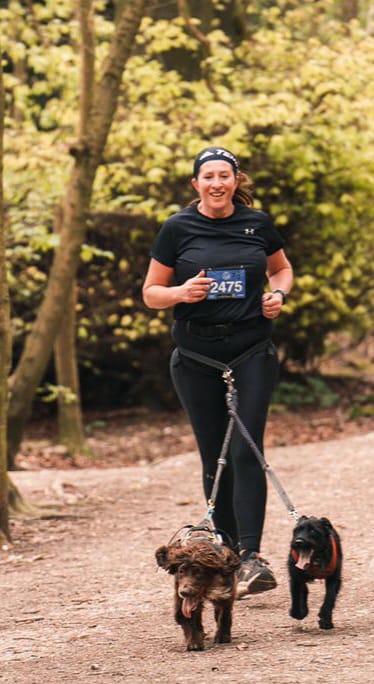
Tuesday, out running with the dogs, always a real head clear, and my favourite mental and creative rest, where I was inspired to capture some of my rest journey in my blog. Often where I have my best ideas and creative thoughts, running provides me with the sort of clarity that comes from this important form of rest.

Wednesday, my fortnightly Zoom catch up with fellow coach, Terri provided emotional rest. We often coach each other, chat about things that are going on for us, and this provides an opportunity to talk things through, without judgement, to be open and vulnerable. Not all conversations and relationships allow this, or maybe we don’t often allow ourselves this form of rest. For me, this is something I feel the benefit of enormously.

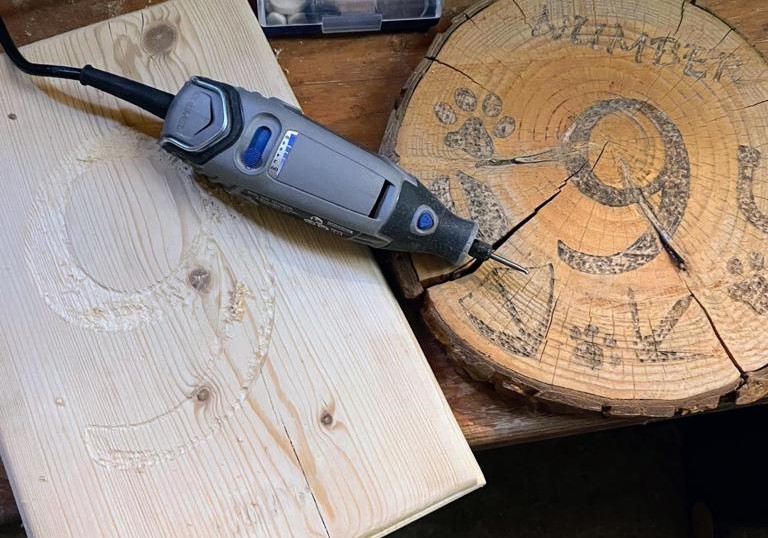
More creative rest too on Wednesday, with a bit of work on the house number project. Just a cut off from an old scaffold board, some sanding, routered edges and the start of Dremel engraving (before painting the number and varnishing). Still a work in progress, but a form of rest I have discovered recently.

Thursday was a day of social rest, starting with a run on a new route with a friend. Next followed an afternoon of unexpected visitors – lovely friends and neighbours, before an evening of drinks with colleagues.

Friday has been a day of physical rest, with some stretching and also, up to mid afternoon, sensory rest, enjoying some quiet time and a break from screens and devices too. Tonight, on my Teacher’s Talk Radio Show, I talked about rest and also meditation – as spiritual rest. Callers shared ideas such as looking out to sea and up into the sky to see we are part of something much bigger.

Overall, a very restful week. As we discussed in the show, ensuring the seven types of rest are incorporated into life back at work is vital for our wellbeing. Short meditations such as a body scan can help, regular brain breaks and engaging with colleagues and screen savers of restful places and images.

I would love to hear your thoughts. How best do you rest?

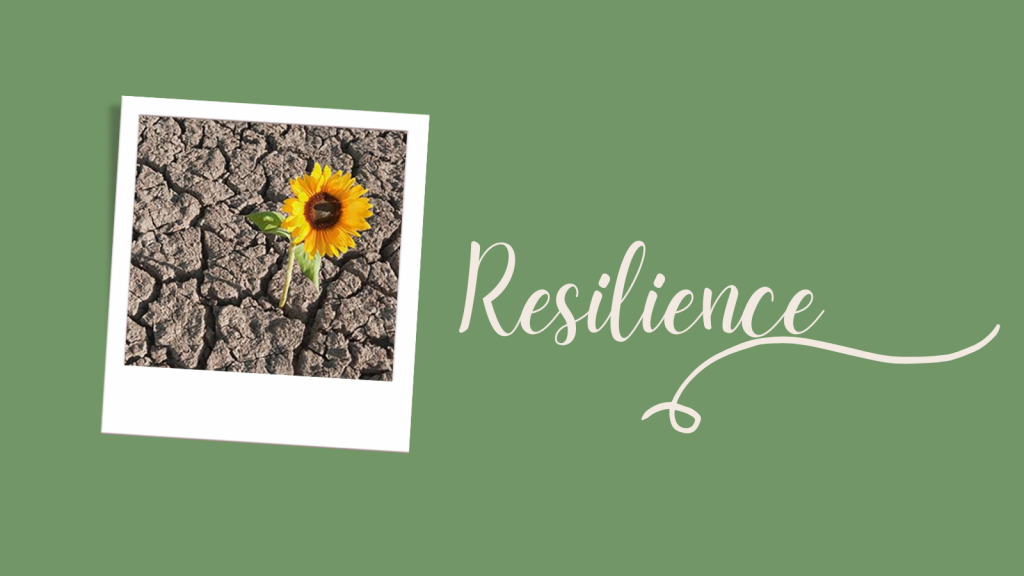
Resilience: What you need when the road gets rocky

“I just need to be more resilient”

Resilience is a word that comes up lot in coaching, education and many other areas. I have heard many people reflect that they “need to be more resilient” – or worse still, say to others, “you just need to be more resilient”. Before we can begin to contemplate increasing our resilience, I believe we need to understand more about the concept itself as well as reflect a little about ourselves. Only then can we move forward.

Resilience is sometimes listed as a value, a positive trait, and when I was early on in my teaching career, I was proud to read a reference describing me as “highly resilient”. There have been times where this has probably been the case, but other times where I have felt that my resilience has been low. Particularly in the last couple of years, I have experienced poor mental health, and this leads me to look closely at the concept of emotional resilience. Resilience is important to enable us to thrive and be successful.

My coach training and wider learning recently has increased my self awareness and my understanding of the concept of resilience. I wanted to share some knowledge, reflections and experiences relating to resilience through my blog.

What is Resilience?

The concept of resilience was developed in the 1970s, and was very much seen as a personal quality, something fixed that we either have or we don’t have. The concept was linked to studies of achievements of vulnerable children, those who did better than “expected” were deemed to be “resilient”.

Jump forward 40 years and as of 2012, The American Psychological Association (APA) defines resilience as: 

“the process and outcome of successfully adapting to difficult or challenging life experiences, especially through mental, emotional, and behavioural flexibility and adjustment to external and internal demands.” 

This definition sets resilience as a process and an outcome. It suggests that resilience is something we can build or develop. Some argue that this definition is still a little narrow and that resilience is an important factor in enabling us to thrive and not just the ability to bounce back.

Resilience does not eliminate stress or erase life’s difficulties, but allows you to tackle or accept problems, live through adversity and move on with life. 

Whilst resilience is still often referred to as a quality, it is more commonly accepted that it is something that we can develop, and is not not fixed. Biological and social influences set some of us at an advantage (or disadvantage) when it comes to resilience, but the good news is that with support, work and learning, it is something we can all develop.

Whether a process we work through or quality we have and/or can develop further, it seems that it is something that would benefit many of us to learn more about.

Burn Brighter

While there are many definitions of resilience, psychologists typically agree that it made up of both the capacity to handle difficult times and our ability to respond flexibly. Some researchers go further, identifying the following three factors as essential to resilience (Boniwell & Tunariu, 2019):

  • Recovery
    Returning to normality or the pre-stressor degree of functioning
  • Resistance
    Limited or no signs of disturbance following the stressor
  • Reconfiguration
    Returning to a different homeostasis and finding new stability according to the change in circumstances

This takes the definition of resilience a step further, recognising that resilient individuals going through significant life events do not always recover effortlessly; but they often find a new path. Whilst difficult events may “knock” an individual, with the benefit of resilience, this can lead to growth.

There are many types of resilience, for this blog, I will focus on emotional resilience.

Developing and Increasing Resilience

Even with high levels of resilience, difficult emotions such as sadness, loneliness, guilt, etc are still very real. These emotions are felt, but with resilience, the individual is able to work through the difficulties, and come out the other side with learning and growth.

Clearly then, resilience is something worth looking into as it enables us to get through difficulties and to be more successful, happy and increase our chances of being able to lead the lives we want to lead – linked to our goals and values.

There is a lot of advice out there about how we can improve our emotional resilience, I have picked a selection that I can relate to. As with all pieces of advice, what works for me may be different to what works for you. I shall try to explain the science too.

1. Develop Self-Awareness

Pausing to examine your own feelings can be very powerful. Being deliberate about reflecting on exactly how something makes you feel can increase your levels of resilience.

Through self-awareness, we gain a deeper understanding of how thoughts create feelings and then in turn how these feelings contribute to our actions.

Self-awareness gives us the courage to look for answers within ourselves. Tuning in to our inner world, building self-awareness helps us in becoming more capable and present. Coaching can help with this, providing a focus on what we think, how we feel, questioning our perceptions and linking these to our actions.

2. Take a balanced, optimistic view and focus on positive thinking

Taking an optimistic view doesn’t mean looking through rose tinted spectacles. A flexible thinker would consider a range of optimistic and pessimistic views when considering something. Becoming a “realistic optimist” is the ultimate in balance and flexible thinking. Realistic optimists pay close attention to negative information that is relevant to the problems they face, however, unlike pessimists, they do not remain focused on the negative and instead, look to potential positive outcomes.

Positive thinking is not to be confused with toxic positivity, but people who can think positively and see potential positive outcomes are more resilient.

3. Look from different perspectives.

Considering other perspectives or having an awareness that your own view isn’t the only one is a vital part of flexible thinking and can boost our resilience as we will take a more balanced view of events or issues.

4. Check the facts

Rational thinking means looking for facts and challenging our assumptions, many of which thanks to negative bias may be unhelpful.

Quite often, what we may believe to be true is just an assumption and our minds can sometimes then look for evidence to back this up, reinforcing our potentially inaccurate views. Simple coaching questions “how true is that?” , “what are the facts?” and “how do you know?” can all help you to check for facts and assumptions. Rational thinking, removing assumptions can then make us more resilient as we know not to believe some of the negative assumptions that we may make. Our negative bias makes negative assumptions more common than positive ones. Of course, some positive assumptions may also dent our resilience by leading to unpleasant surprises when the truth and facts become evident.

Coaching is a powerful way to challenge our thinking, and to enable us to develop more flexible thinking.

5. Interpersonal relationships

Developing a strong support network can be a key factor in increasing resilience.

Building strong interpersonal relationships widens our vision – it changes the way we see the world and ourselves. Additionally, how our networks support us is crucial too. If our people see us as capable and not in need of rescue, this is positive. Acting as coach rather than rescuer supports resilience too.

6. Practice Self Compassion

Self compassion involves offering compassion to ourselves: confronting our own suffering with an attitude of warmth and kindness, without judgment. Think about how you speak to yourself – would you speak like that to a friend, colleague or peer? If not, don’t speak to y0ourself like it. One practice, the self compassion brek can be very powerful in increasing resilience. It has 3 steps:

  • Be mindful: Without judgment or analysis, notice what you’re feeling. Say, “This is a moment of suffering” or “This hurts” or “This is stress.”
  • Remember that you’re not alone: Everyone experiences these deep and painful human emotions, although the causes might be different. Say to yourself, “Suffering is a part of life” or “We all feel this way” or “We all struggle in our lives.”
  • Be kind to yourself: Put your hands on your heart and say something like “May I give myself compassion” or “May I accept myself as I am” or “May I be patient.”

Meditate

As mindfulness gurus like to remind us, our most painful thoughts are usually about the past or the future: We regret and ruminate on things that went wrong, or we get anxious about things that will. When we pause and bring our attention to the present, we often find that things are…okay.

Practicing mindfulness brings us more and more into the present, and it offers techniques for dealing with negative emotions when they arise. That way, instead of getting carried away into fear, anger, or despair, we can work through them more deliberately. One practice that is effective is the “body scan”, here you are guided through (or self guide) concentrating on your whole body, from your heard to your toes in turn.

My Reflections

For me, I can see how a positive outlook and positive thinking has helped me in challenging times, I can also see how looking for facts has helped too. Conversely, during times when I have been less resilient, looking back I can clearly see how I had made assumptions, become too focussed on negatives. Equally, I have been enormously helped by coaches to reframe my thinking, to be aware that not all thoughts are facts and to take a more balanced view.

As connection is one of my core values, a small but supportive network of close friends, colleagues and family are constant resilience builders. Always on hand to listen, question, and support – I cant thank this tam of resilience builders enough.

What about you? I’d love to hear what helps you to build and maintain resilience.

Running: Reflections on Values, Goals and Barriers

  • “I can’t run”
  • “I don’t run”
  • “Running is something I could never enjoy”
  • “I don’t see the point of running”

These are all things I have said, many times. I thought these statements were true, and to me, at a point in time, they have all been true.

At school, I hated PE. Pretty much everything about it, I hated the changing rooms, I dreaded any game where I had to catch a ball (poor hand eye co-ordination and being short sighted resulted in almost certain failure), I remember feeling sick half way round a cross country run (the few occasions I took part before working out a plan for total avoidance). As soon as I could stop I did and never went back. Horse riding and looking after horses has been my “exercise” – never running – that was always avoided.

With very few exceptions, I probably had never run any sort of distance until the age of about 45. Around my 45th birthday I decided to lose some weight and to get fitter, so followed an advert for a local trainer who was running some exercise groups. This involved a supportive group of women, a great trainer and was held in a golf range. There was a variety of exercises, weights, skipping (something else I never thought I would be able to do) and a little bit of running – just short distances. I lost weight, got into exercising consistently and then, in January 2020 I started the couch to 5K. After 9 weeks, I finished it and did my first Park Run. Shortly after, we went into lockdown and running started to bring yet more benefits.

Running and Limiting Beliefs

Running has taught me that just because we think we can’t do something, it doesn’t mean we never will. I am not a fast runner, but I have found I can actually run reasonably well. I can see that we can probably do many of the things we tell ourselves we can’t. Looking back now at all of the voices telling me I would never be a runner – probably most of them mine, all I needed was a plan, a way to break it down into manageable chunks and to find a place to start. Ultimately, I just needed to believe.

Running and Having a Plan

Couch to 5K is a brilliant plan. It breaks down your introduction to running into manageable sessions, starting with just running for 60 seconds and then resting – before repeating. It is just 30 minutes too, including warm up and cool down. The commentary is encouraging and you always know when you are half way through. This builds up over the course of weeks, one week you run for 20 minutes without a break – this is the first time I felt like a runner. Eventually you run for 30 minutes, at first, this didn’t quite cover 5K, so I and then I built up the running time until I ran 5K. Soon I chieved 5K within 30 minutes.

Running and Values

Wellness is one of my core values, and running reinforces this, improving my physical fitness (as well as weight, improved cardio vascular fitness is a bonus). More notably, however, is the “headspace” running provides. The feeling after a run is amazing – stressbusting at its best. Connection is another of my values, and whilst connection with people takes up a lot of my days, running is all about time with my dogs and my connection with them. I also enjoy running with people too.

Running and Goals

I have also learned a lot about goal setting. My first goal was to run 5k. This was a good goal for me, realistic, measurable and really got me into running. Then I worked out a plan to increase to 10k, again, positive in that longer runs provide good thinking space for me, a time to really relax. The dogs also prefer this level of exercise.

For a time, I got quite caught up in wanting to run faster, I realise now, that it is important to check in with your goals. I had decided I wanted to run a faster mins per KM speed. I started some training on this, but after some time I was feeling frustrated and had avoided some runs. I had also picked up a couple of aches and pains in my knees. I realised that it was about my times, and I gave it some thought – why do I run? For fitness and wellness. I realised that speed isn’t such a benefit for this – but consistency and remaining injury free was. I also realised that I had fallen into a bit of a trap with Strava, which is good for keeping track, but had led me into “comparisonitis”. Other Strava contacts were running faster than me, I needed to give this some thought. Should I keep using Strava? I decided I should as I like to look back at the records. I also like the community – and as long as I am aware to keep the comparisons at bay, this is a benefit.

If my goals were to win races, be the fastest for my age group, it would be different. But knowing that my reasons for running are to keep fit, to enjoy the physical and mental benefits as well as to exercise the dogs, I decided that running 3 times per week – even if just a short run, was a better goal for me. Consistency and commitment are important to me.

Running and Resilience

Will I ever take that next step and test my stamina and resilience by trying an ultra or marathon? At this stage I don’t know – my goal is to keep running as part of my wellness – physical and emotional and resilience fits here.

Resilience will be my next topic.

What do you think? Any barriers you have overcome? Are you a runner?

Ever achieved something you thought was well outside your range?

I’d love to hear.

Barriers: What’s Blocking Your Way?

Have you ever reached a point where you feel “stuck” – there’s a barrier in the way, something stopping you from getting further, you’re not making the progress you want to make. You might have goals and just feel that you are not reaching them.

What are your barriers?

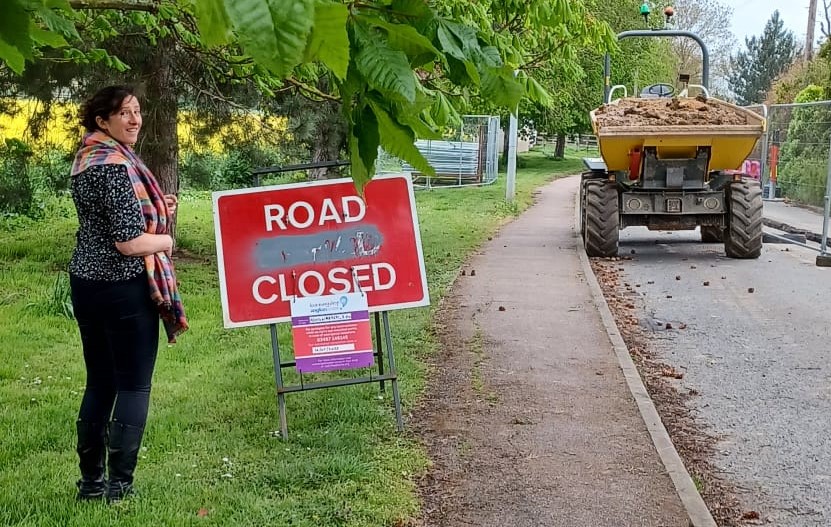
The roadblock pictured here is very real. Contractors, on behalf of Anglian Water have blocked the road for essential maintenance, (they also kindly agreed to take my picture.)

What about other blocks? How many of these are “real”, which are “perceived” and how can we get past them?

If you’re feeling stuck, it is worth giving some thought to the nature of your barriers. There are some common themes, many of which I recognise in my own experience and many have arisen in coaching conversations. Here are some of them. Which do you recognise?

Are you chasing the “right” goals?

In the past, I have found myself pursuing goals that I felt I ought to have. These goals may be linked to someone else’s idea of success – maybe a mentor or someone you look up to, or maybe society’s definition. Creating your own goals, based on your own values is important, and as they are so much more meaningful if truly in line with your values making them more achievable.

Are your behaving in line with your values?

Have a look at what you are doing in pursuit of your goals. Do your actions match your true values? Again, it is always worth looking closely at your values – the real ones – look back at the first blog post to check you are aware of these and can then make steps to live by them. Without this, you might be following rules and beliefs you picked up in your formative years, and may therefore end up acting in a way that isn’t in line with the person you truly want to be. If you are chasing a huge salary and accompanying consumerist lifestyle, whereas your values are much more around family and connection, this will present a barrier to you. Once you start to change the goals, link them more to your values, you will find less barriers.

Are you falling into the Advice trap?

Well meaning individuals can be quick to offer us advice. The problem with advice is that it is what works or worked for THEM, and may therefore not necessarily work for us. This advice might come from respected people, we may feel we ought to follow it, it might also sound good – but will often “feel” wrong.

An awareness of this, asking yourself how you feel about these ideas – and more of a coaching approach from those helping us can provide a better way forward.

Have you become disconnected from your “truth” and “purpose”?

Similar to your values, what are your true wants and needs. Are you working towards something that matches these, or what you think you ought to be working for? You might be adhering to outdated social norms, rather than your own truth – such as pay being more important than how a job makes you feel.

Acting in line with your purpose, knowing the impact you want to make will provide you with the golden intrinsic motivation, lacking this, with all of the extrinsic (pay, benefits, status) rewards, will leave you feeling blocked.

Are you staying in your comfort zone?

A bit like the safety barriers around the the roadworks, where a less safe but more direct option would be to keep the road open so we all drove precariously close to a huge hole but as long as we avoided the hole, would probably reach our destination with minimal delay, we often put up barriers to stop ourselves taking risk. Our brains’ first job is to keep us alive, so it is no surprise that our safety – including avoiding even small or perceived risks is something our brains will always try to do. Sticking with the safe and known option, avoiding changes are all comfort zone signs. Sometimes, the comfort zone may not actually be that comfortable, but we stick with it. Being a headteacher was this for me for quite some time, however hard it was, whatever feelings I had about it not being right for me any more, I had done it for a long time, and there was an element of wanting to stick with it. Of course, with this, there are the bits that were still good too. The whole ides of moving to freelance work, temporary contracts and this professional unknown was a huge step, but one I haven’t regretted for a second.

As I coach, one of my favourite questions is “What happens if you do nothing?” In most cases, this can lead to staying stuck. You can ask “what is the worst thing that can happen”? Stepping out of your comfort zone can then help you get a step closer to achieving your goals and feels good.

Do you believe in yourself?

Similar to staying in your comfort zone, lacking confidence can be a major barrier. Fear of failure is a major block for many people, without even being aware of it.

I love asking “What would you do if you knew you wouldn’t fail?”

Similarly, this can be about worrying what other people would think. This has been (and continues to be) a huge barrier for me. Making big decisions like leaving a job that I no longer wanted to do, my first thought – will people think I’m a failure? What will they think of me for giving up? As for speaking on Teacher talk Radio or writing a blog, parking these thoughts, separating my self worth from the feedback and seeing this as part of wider growth is a work in progress.

Barriers for Young People

Similarly, educators will be familiar with barriers faced by children and young people. How can we help them to get past these barriers? These days we are met with volumes of research from well known and well respected sources like the EEF (Education Endowment Fund). Again, these barriers are well known and the better we understand them as educators, the better we can tailor our approaches.

How can you get past the barriers?

An awareness of the barriers, maybe understanding that whilst they are real to you there is a way to shift them is helpful, our best chance of success also comes from creating a “reward state” in our thinking. Focusing on the desired outcomes, allowing ourselves some quiet space for good quality thinking is really helpful. Being solution focused and good thinking will be our next blog topic.

What about you?

I’m curious, has anything here sparked your thinking? What are your barriers and how are you getting past them, shifting them to the side, finding a good diversion or knocking them flat?

Goals: How do you really want to be?

Following on my post about values, the topic of goal felt like a logical next step.

I shall attempt to clarify what goal setting means, look at the benefits (and possible pitfalls) of goal setting, look at different views and research on goal setting and share my own reflections, based on my coach training and experience. My aim is to provide some information help you to set your own goals, and then work to achieve them.

What are goals?

Life goals are defined as the desired states that people seek to obtain, maintain or avoid (Nair, 2003). Goals may be short-term or longer term, and the longer term goals may be broken up into a number of short term goals. When you keep breaking goals down into their actionable parts, these parts are often called objectives. So, objectives are the actual actions you take to reach goals.

Broadly defined, goal-setting is the process of establishing clear and usable targets, or objectives, for learning.

(Moeller, Theiler, & Wu, 2012)

Because our lives include many different parts, life goals may be relationship goals, career goals, financial goals, and more.

Why set goals?

First, if we make a conscious decision to move in a particular direction it is more likely that we will actually achieve some travel that way – rather than purely relying on chance. The act of setting goals and the thought we put into crafting them directs our attention to the why, how, and what of our aspirations. As such, they give us something to focus on and impact positively on our motivation. In short, we are more likely to make decisions that benefit ourselves in the longer term if we are goal focussed.

Secondly, if and when we know where we want to be, we can assess where we are now, and essentially, we can chart our progress. This feedback helps us adjust what we do accordingly and when it’s rewarding feedback, our brains release dopamine, our “feel good” chemical (Treadway et al., 2012).

But there is much more to it than just goal setting. First, the nature of the goal is important, and secondly, the plan for getting there. For this blog post, I shall focus on the goal part.

Setting goals – The link to our values

When our goals are based on our values, they are meaningful to us. Meaning, purpose, and striving for something ‘bigger’ is a key element of in positive psychology. Dr. Martin Seligman developed the PERMA model suggesting there are five key elements required for a human to flourish positive emotion, engagement, positive relationships, meaning and accomplishment. The ‘M’ in Seligman’s PERMA model links to the value of goal setting.

The process of setting meaningful goals, in line with our values, is itself, a positive action. Working then to achieve these goals is then where we benefit even further.

Intrinsic and Extrinsic Goals

Kasser and Ryan (2001), defined two types of life goals, and explain that these relate to our wellbeing in different ways:

  1. Intrinsic goals relate to emotional intimacy, personal growth, and helping others. They are believed to be aligned with our needs as humans, reflecting our inherent desire for self-knowledge and more fulfilling relationships (Maslow, 1943).
  2. Extrinsic goals are more culturally defined and less about our nature as human beings, encompassing things like our physical appearance, social standing, status symbols, and wealth.

Research suggests that intrinsic life goals are related to greater happiness, self-actualization, vitality, and satisfaction with life, compared with extrinsic life goals (Ryan et al., 1999; Niemiec et al., 2009).

No surprise to see that some goals – the ones that the media and advertisers try to generate within us, such as a “perfect” (unobtainable) appearance, or a brand new Tesla (apologies to Tesla fans) won’t necessarily bring fulfilment and meaning.

It is worth, therefore, exploring your current goals and asking yourself what that is important to you. What will it mean to you to achieve that goal? What will it feel like to achieve that goal?

Evaluate your past and current goals

One goal I had from being about 10 years old was to own my own horse. Goal or obsession …. a possibly blurred line, this was something that drove my decision making, provided motivation and kept me focussed at key moments throughout school. I knew that I wanted the sort of job that would allow a good enough salary, and time to enable horse ownership. It is a goal I achieved, aged 27 and I have maintained ongoing horse ownership and developed this extending into further into lifestyle goals since then. To a certain extent, this is an extrinsic purchase based goal. It has also been one that I’m pleased I pursued. Here’s my first horse, Roland.

There are routes to horse ownership without university education, but this is something I also wanted, possibly naively, I thought teaching would fit the bill as a job. Once in teaching, then going for promotions like head of year made the finance more of a reality as did exam marking. The money I saved back in the late ’80s also gained interest and I never touched it through university (let’s not mention the student loan…) Admittedly, there was some good fortune here too – but that goal focus certainly made it a reality. Partly, this is a financial goal (they are not referred to as four legged money pits for nothing- the purchase is just the start), but also much more as any horse owner will tell you, this is a lifestyle.

Having my own horse is something that I am so thankful for, it is wonderful on so many levels, bringing wellbeing benefits at times I have needed the support. Such an escape from stress and a valuable connection with a beautiful animal.

Other goals have possibly not served me so well. At times I have also lacked focus and been unclear on my goals. There have been times when I have asked myself “Why am I even doing this?”. I now know where where I either lacked goals or my goals and actions were not aligned with my values, my wellbeing has been impacted. I have drifted into “what I think I ought to do” rather than conscious pursuit of meaningful, values driven goals. There is sometimes a place for this, but it is certainly something to be mindful of in my experience.

Reflecting back on professional choices, being a headteacher is a great job, such a privilege, but as I look back and I don’t specifically remember this being a clear goal. I’m not sure I’m really examined other leadership roles either. Similarly, having lived this role for over a decade, a rethink, a thorough examination of my values and new goals was long overdue. Setting new goals was helpful.

It is natural for our goals to change through our lives, either gradually, or more suddenly following major life events. For me, this has led me to set the following professional and personal goals:

To set up a business and lifestyle which enables me to be well and healthy whilst allowing time for what I consider most important. This means

  • Work flexibly – spend no more than 3 days per week away from home.
  • Work centred around my core values of connection, growth, wellness, creativity and expertise – coaching, mentoring and consultancy
  • Schedule time every week for riding and enjoying the horses, to be able to get out and compete in dressage (even just Prelim), so have time to practice and also have training.
  • Walk or run daily with the dogs.
  • Spend time with my husband and also with my dad – both full evenings and also day times.
  • Bring in income that covers my contribution to the bills, allows some saving and some spare.
  • To be competent, continue to develop expertise in my profession, through ongoing training. To reach PCC standard in coaching.
  • Creativity – also means trying new things. Challenging myself, being a biot scared.

Meaningful Goals – a reflection

It is useful to take stock at some points in our lives, step back and consider our values, and then think about what we want to happen next or what we want from our lives.

In the past, I have certainly set goals that I think I “ought” to have rather than those linked to my values or real needs. Within running – as a relatively new runner, just completing couch to 5K a couple of years back, my running goals started off being all about improving my 5k times, then getting to 10k, then improving that time and so on. It was only when I stopped to ask myself what I wanted from running (to get fitter, feel better, exercise the dogs) that I realised I actually just needed to be consistent. It is more important for me to stay injury free, to run consistently, not push the pace and set a goal of 3 runs per week. That is just me, you may be different. Yes, the personal bests are good to see, as are the Strava comments, but ultimately, getting the right goal is important.

I have also, in the past set work related goals that didn’t help me. These goals were not in line with my values, were more in the “ought to” category, and sometimes dictated by others rather than being my own goals.

Setting Goals

When setting goals, start by asking yourself what you want to be different. How do you want to feel? Jot down some notes, consider your thoughts about this and then come up with some potential goals. Look at your “draft goal” and ask yourself the following questions:

  • How realistic is your goal? Research indicates that the best goals are challenging, yet achievable (Locke & Latham, 2002).
  • Does your goal have a “positive approach” . Rather than setting negative, avoidance goals that have us working away from certain harmful, averse, or unpleasant outcomes, set yourself positive targets. Depending on whether they are intrinsic or extrinsic, therefore, they might be desirable, enjoyable, or ‘good’ in a deeper sense (Coats et al., 1996).
  • What might get in the way of you achieving your goal? How do you plan to overcome obstacles? Can you think of some alternative pathways?Be ready to fail along the way…but don’t let it stop you. It is worth accepting this inevitability first up and also be aware that resilience is a useful skill to develop throughout your journey.
  • How can you involve others? Family and friends can be invaluable. Not only do they help us generate ideas, but we may be able to reach out to them for support along the way.
  • How can you break your goals down? Celebrating wins along the way is the same as celebrating our progress towards a larger life goal. Amabile & Kramer, (2011) tell us the importance of celebrating success along the way.

Goals and Coaching

For me, coaching, building from the basis of a values focus, has then enabled me to define goals linked to my values. Exploring what is important to me, setting goals and then the really exciting part – working towards those goals, whether in mini steps, breaking into objectives or just diving straight in.

New coaches are often taught the “GROW” model developed by sir John Whitmore, where a client is asked questions to first establish their goal (G), then their current reality (R), then looking at various options (O) in terms of potential actions before the client decides what (W) they will do. This provides a structure, but if hurried, can miss out on some potential magic, in terms of the goal, in my opinion, the most fascinating part of the process. Frequently, through exploration, it becomes evident that the initial goal articulated by the client isn’t the the “real” goal…. that there is much more to be considered. With time, space, reflection and a non judgemental space, we can often get beyond what we think our goals are – or what we have allowed ourselves to believe our goals are or should be, and then go on to focus on something which provides far more meaning for us.

What are your goals?

What will it mean to you to achieve them?

How will it feel when you have achieved them?

What might get in your way? How will you feel and react if you aren’t successful? (this leads me to another blog idea)

Values: More Than Words on a Page

No matter how hard you try to empower your life, you’ll still feel frustrated by your perceived lack of progress and achievement if you’re unaware of your own values and you keep trying to live by somebody else’s values.”

Dr John Demartini

Welcome to the MH Connection blog. I have chosen values as the first topic, this feels like a good starting point, partly to explain the name of the blog but also because a consideration of values makes a good starting point, or refresh point for leaders. In this post, I explore why values are important for individuals and organisations, how traditional processes of defining values are flawed, offer alternatives I have discovered through my coaching journey and talk about how my own exploration of my values has benefited my life and work recently.

“Values can’t just be words on a page. To be effective, they must shape action.”

Jeffrey R. Immelt

Values

According to the Oxford English dictionary, values are “principles or standards of behaviour; one’s judgement of what is important in life”

Our values are a set of beliefs by which we live our lives.

Your values are the things that you believe are important in the way you live and work. They (should) determine your priorities, and, deep down, they’re probably the measures you use to tell if your life is turning out the way you want it to.

“Nobody’s are the same, but you leave ’em all over everything you do”

Elvis Presley

Defining our Values

As leaders, we may consider our won values as a pre-cursor to setting a vision for our organisations. We may develop “brand values”.

Developing our own values or the values for our organisation is often done by considering a list of potential values such as:

  • respect
  • integrity
  • connection
  • health
  • courage
  • appreciation
  • empathy
  • honesty

We might start by grouping common themes and/or circling the words/values that resonate the most, before coming to a final few. This is certainly how, as a school leader, I worked. Then, along with governors, in consultation with staff, parents students I sought to define the values from which to we would establish a school vision.

More recently, I have reflected on the flaws in this process of defining values. Notably, this exercise can lead us to choose what we think we ought to have as values. For example, every leader I have known would want to say they value integrity and honesty. There may also be a desire to also look for words that form a catchy tag line, or fit a clever acronym. Values may also be confused with the vision, aims and mission statement.

Our own individual values

Dr John Demartini points out that “values are often injected by leaders in society.” We often live by ought to’s not love to’s. Lots of people don’t know what their values actually are.

For us as individuals, lacking clarity about our core values makes it harder to:

  • make good decisions, including about career and work
  • determine our top priorities
  • be assertive about what we stand for
  • maintain clarity and poise during challenges
  • identify misalignments in our lives (such as when we’re overinvesting in our work and underinvesting in our relationships)

For organisations, a lack of clarity or inappropriate values that don’t have true meaning can lead to issues with employee engagement, inconsistencies in behaviours, and a lack of trust, solid relationships and clarity for those using the organisation – in schools, this would mean parents and students.

Why values matter

Peace of mind comes when your life is in harmony with true principles and values and in no other way.”

Stephen Covey

For individuals, developing clarity over our own core values can increase confidence, character, motivation and resilience as we will be focussing more on things that truly matter to us.

For organisations, Brett Gleeson, the founder and CEO of TakingPoint Leadership, former Navy SEAL, globally recognized speaker, award-winning entrepreneur, and 2x bestselling author explains, “Leaders and managers must lean on the values of the organization to drive performance, especially during times of change. An organization’s values should be the bedrock of why the company exists, how behavioural norms are defined, and how decisions are made in order to achieve goals and fulfil the vision. They must be authentic and relatively specific, so they actually resonate with the team.”

He goes on to add “This is just as true for an organization as it is in peoples’ personal lives. In fact, 63 percent of consumers say they want to buy products and services from companies that have a purpose that resonates with their values and belief systems. They will even go out of their way to avoid companies that don’t mesh with what they believe – which goes to show that a company’s values have both internal and external implications.”

In short, getting the values for an organisation right will increase it’s appeal, authenticity and create a solid direction and foundation.

“A highly developed values system is like a compass.
It serves as a guide to point you in the right direction when you are lost.”
Idowu Koyenika
Finding our true values

Through coaching, I have focussed closely on my own values. Moving beyond a list of words, to working with my coach to develop clarity over my true values and how these show up in my world. There are some key questions you can ask yourself and it might help to jot down your ideas as you go.

  • Think of a time when you were very happy, you consider examples from your personal and professional life. What were you doing? Where were you? Who was with you? What other factors contributed?
  • Think of a time when you felt proud. Why were you proud? Who shared the experience with you? What other factors contributed?
  • Think of a time when you felt fulfilled and/or satisfied. Where were you? What were you doing? What need or desire was fulfilled? How did the experience give your life meaning? What other factors contributed?
  • Think of a time when you felt real and authentic. What were you doing? Who was there? What was special about the experience?
  • When do you feel most like yourself? What are you doing? How does it feel?
  • What angers you?
  • What feels “wrong” to you?
  • What do you want to talk about the most?
  • What do you love reading/learning about?
  • What do you like spending your time doing? What do you daydream about/visualise/imagine?
  • Where are you most disciplined and reliable?

Think about the common themes that come up through your answers. Journaling can be helpful to record what you note down, try to write the first thing that comes into your head. Maybe a mind map, drawings, notes, whatever works for you.

Working with a coach

Of course, working through the exercise above to define your values is a great exercise and can help you to develop clarity over your goals. A skilled coach can, however, make this even more effective as they will listen, without judgement, ask incisive questions, following up your initial thoughts with further, deeper discovery. They will also be able to, with your permission, share observations about any energy shifts, body language or other non verbal cues and invite you to explore what may be behind these. Again, this takes the exercise to a deeper level and can lead to a more meaningful discovery of your true values.

For me, this was so valuable. As someone who has spent their life fitting into “norms” in many respects, trying to do the “right thing” and I realise I was often operating in a way that was at odds with my core values, this aspect of coaching has been truly transformational.

My Core Values

As you will see from my bio, I am now able to live and work in a way that is much more in alignment with my core values. These are:

Connection: Developing close personal and professional relationships with individuals and within teams is important to me. I have learned that I am actually an introvert, finding that interacting with large groups drains my energy and therefore more intimate groups are more manageable. Larger groups are OK as long as I can allow time and space for building that energy back up. The human connection is the important part for me. Listening to others and also being listened to is also crucial. I value having more time for my dad, husband, close friends and also the ever growing collection of animals whose connection also brings me joy animals as well as my work which provides connection with some amazing professionals.

Wellness: Both my physical and mental health was impacted by Ofsted inspections, pressure over test results and leading through COVID during my 13 years as a headteacher. Improving my own health, through running (canicross), fitness, eating well and also having time and space to re-energise mentally has been revolutionary for me. My work enables me to support the wellbeing of others too, which is a huge bonus.

Growth: Part of my heart will always stay in education – with true personal and professional development being such a central driver. As a teacher, I always felt that education is about so much more than test scores, it is now so fulfilling to both be able to learn and grow more as a person myself, but also coach and mentor others where I can work with an walk alongside side others through their own personal and professional journeys. Personally, I have worked on “progress not perfection” – using this as a key mantra, supported by my own coach.

Expertise: Whilst perfection (an old enemy of mine) is something I am leaving behind, being able to be the best I can be (within realistic parameters) and provide a quality service to you, as well as supporting your growing expertise, is important to me.

Creativity: This is something I had never identified before as something I value. Since having more time for reflection and also enjoyment, I have realised the wellness benefits of creating little woodwork projects, writing and generally trying to enable my creative side. I also realise how stifling I sometimes found the restrictions I felt I was under – albeit some of them I now realise were merely perceived, and how lifting these barriers and utilising more creative thought is so enabling.

What are your values?

I wish you well in your values journey and would love to hear about it.

Maxine

Newer posts »

© 2026 MH Connection

Theme by Anders NorenUp ↑